Vitamin D deficiency & Hair Loss: symptoms, causes and effective solutions

How does Vitamin D affect hair
Which symptoms appear
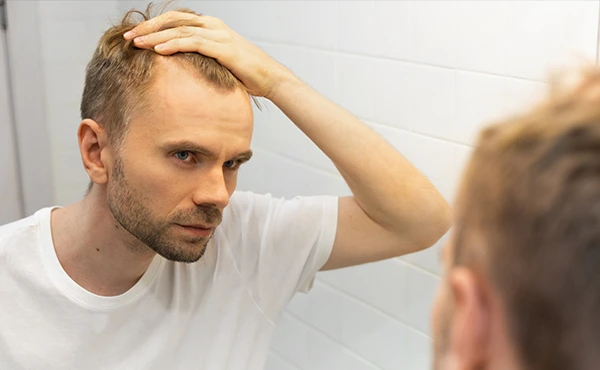
Hair loss associated with vitamin D deficiency:
- is usually diffuse across the entire scalp
- is accompanied by increased hair shedding in the shower, on the brush, or on the pillow
- causes hair thinning and delayed regrowth
- may be accompanied by scalp dryness or irritation
How vitamin D deficiency occurs
Even in countries with abundant sunshine, modern lifestyles often limit exposure to sunlight. Additionally, during the winter months, vitamin D synthesis is significantly reduced, while diet rarely fully covers the body’s needs.
Furthermore, intestinal disorders, increased body weight, and certain medications also play an important role in the development of vitamin D deficiency.

How diagnosis is made
Diagnosis is based on a blood test. At the same time, it is important to rule out other causes of hair loss, such as iron deficiency, thyroid disorders, or androgenetic alopecia.
How can it be treated
To restore optimal levels, the following are required:
- safe and controlled exposure to sunlight
- a diet that includes fatty fish, eggs, mushrooms, and fortified foods
- vitamin D supplementation is often necessary under medical guidance
In most cases, approximately 2 months are needed for vitamin D levels to normalize. During this period, proper hair care and supportive supplements are also recommended.
What happens in more extensive cases of hair loss
If hair loss persists, treatments such as the following can be applied or combined:
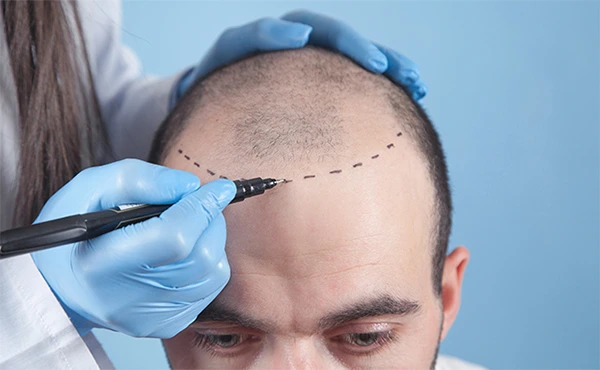
In cases of permanent hair loss with concurrent progression of androgenetic alopecia, hair transplantation may represent a definitive and effective solution.

Are you looking for a solution to hair loss?
Proper information on effective hair loss treatment is the first step before any therapy.
Contact our clinics for a personalized diagnosis.