What are the causes of hair loss?
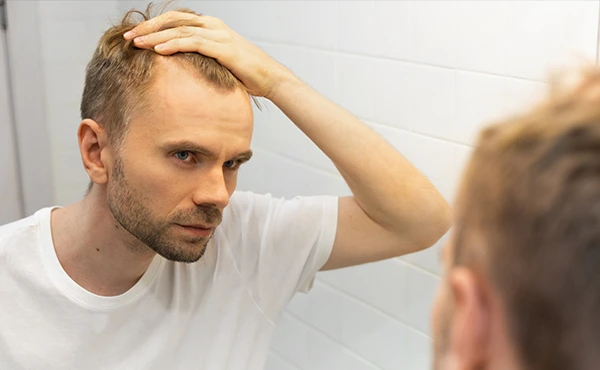
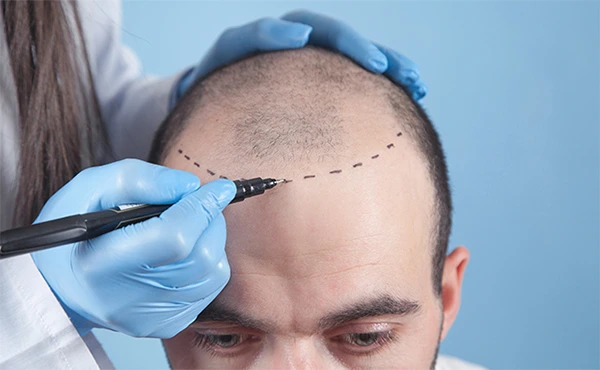
There are different causes that lead to the initial signs of hair loss and subsequently to the gradual weakening of overall hair growth.
The most common reasons for hair loss are hereditary predisposition or various pathological causes. These may disrupt the hair growth cycle.
The hair growth cycle is divided into 3 phases. In the final stage, the telogen phase, hair stops growing and eventually falls out.
This is a natural process, necessary for their renewal. However, in some cases, it is observed that the number of hairs lost is uncontrolled and can exceed 100 hair per day.
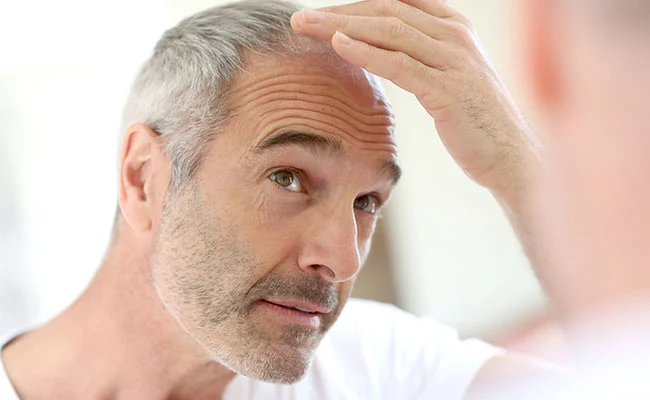
There are different causes that lead to the initial signs of hair loss and subsequently to the gradual weakening of overall hair growth.
The most common reasons for hair loss are hereditary predisposition or various pathological causes. These may disrupt the hair growth cycle.
The hair growth cycle is divided into 3 phases. In the final stage, the telogen phase, hair stops growing and eventually falls out.
This is a natural process, necessary for their renewal. However, in some cases, it is observed that the number of hairs lost is uncontrolled and can exceed 100 hair per day.
When is hair loss reversible?
In cases where increased hair loss is diagnosed as being due to factors such as seasonality and diet, it is considered a relatively reversible condition.
On the other hand, if it is found to be caused by genetic or hormonal factors, it is considered a different case and is treated accordingly.
Main Causes
The causes that lead to hair loss, as well as the aggravating factors, are numerous. More Specifically:
Hormonal disorders
Men:
- High androgen levels.
Women:
- Changes in the hormone levels.
Genetic factors
- Hereditary predisposition.
- Biological maturation.
Psychological factors
- Psychological traumas
- Obsessive-compulsive disorders
- Stress
Immunological factors
- Autoimmune diseases (lichen, scleroderma, sarcoidosis, systemic or discoid lupus erythematosus)
- Immunizations
Chronic diseases
- Anemia
- Thyroid dysfunctions (hypothyroidism, hyperthyroidism)
- Liver and kidney problems
- Diabetes mellitus
Gynecological factors
- Pregnancy, with indications during the postpartum period
- Childbirth
- Polycystic ovary syndrome
- Menopause
- Lactation
- Start or discontinuation of contraceptive pills
Nutrition
- Strict diets
- Excessive vitamin A intake
- Nutritional deficiency of proteins, vitamins, trace elements, fatty acids, and minerals, mainly iron, etc.
Medical treatments
Physical wounds
- Burns.
- Damage by accident.
- Mechanical wounds
- Radiodermatitis
Chemical substances
- Boric acid
- Thallium salts – insecticides
Chemical factors & radiation
- Chemotherapies
- Radiotherapies
Skin diseases
- Dermatological conditions (dermatitis, eczema, skin aplasia)
- Inherited diseases (ichthyoses)
- Skin neoplasms
External factors
- Exposure to environments with dust and pollution
- Excessive friction from combing and brushing
- Strenuous hairdressing processes, e.g., ponytails, hair dyes, extensions, highlights
- Inappropriate or insufficient hair care
- Excessive exposure to UV rays
- Frequent contact with sea and chlorinated water, and even rainwater
- Heavy metal poisoning
Additional factors
- High fever
- Smoking
How is nutrition related to hair loss
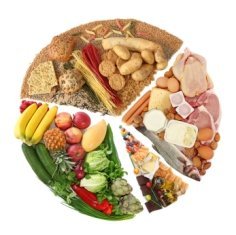
A balanced diet can provide all the essential nutrients the body needs for its proper functioning and, consequently, for hair health.
According to its physiology, the hair is a structural element of the human body, which also develops and is maintained from structural materials (proteins, minerals, trace elements, etc.) that the body receives through food.
The importance of proper nutrition
Therefore, a proper diet focused on hair health requires, on the one hand, a variety of food groups to ensure the raw materials for hair synthesis, and on the other hand, foods rich in vitamins, such as fruits, vegetables, and greens, so that the raw materials are metabolized into structural materials necessary for hair growth and maintenance. Specifically, a balanced daily food intake includes:
- Proteins 15–20%
- Carbohydrates 50–55%
- Fats 25–30%
The importance of nutrition
However, proper nutrition alone is not enough, as it has been proven that the amount of water the human body needs daily ranges from 1.5 L to 2 L and plays an important role.
In a significant percentage of hair loss cases, only a minimal amount of water is consumed, along with less than 1.5 servings of fruit per day.
The effects of poor nutrition on hair, as well as on the body as a whole, unfortunately become noticeable only over time, when the damage has already occurred.
Seasonal hair loss
Solar radiation
As the intensity of solar radiation causes changes in melatonin secretion and, consequently, changes in hormonal ratios, hair loss is often observed after the summer months, mainly at the beginning of autumn.
In some regions, however, such as Northern countries, it is recorded in November.
Therefore, the activity of hair follicle units is also associated with environmental factors, as occurs in seasonal hair loss.
Are you looking for a solution against hair loss?
Proper information on effective hair loss treatment is the first step before any therapy.
Contact our clinics for a personalized diagnosis.