Shock Loss after a Hair Transplant
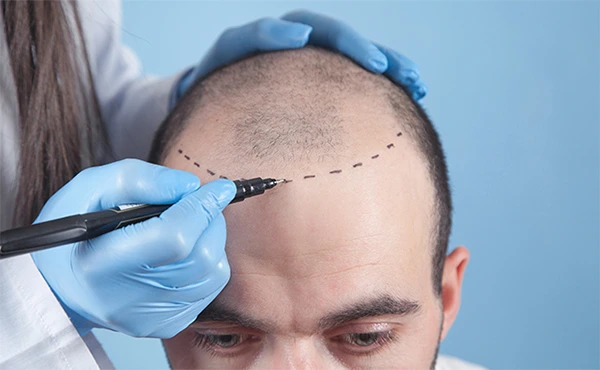
Shock loss is one of the most common and misunderstood stages after a hair transplantation procedure. Many patients become concerned when they notice significant hair shedding a few weeks after the surgery, mistakenly believing that something has gone wrong. In reality, this is a normal and temporary reaction of the hair follicles to surgical stress and not a failure of the hair transplant.
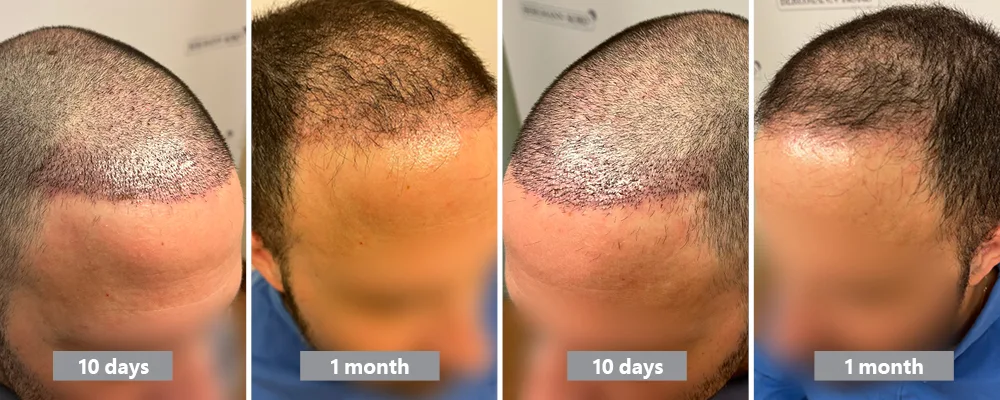
Shock loss is one of the most common and misunderstood stages after a hair transplantation procedure. Many patients become concerned when they notice significant hair shedding a few weeks after the surgery, mistakenly believing that something has gone wrong. In reality, this is a normal and temporary reaction of the hair follicles to surgical stress and not a failure of the hair transplant.
What is shock loss;
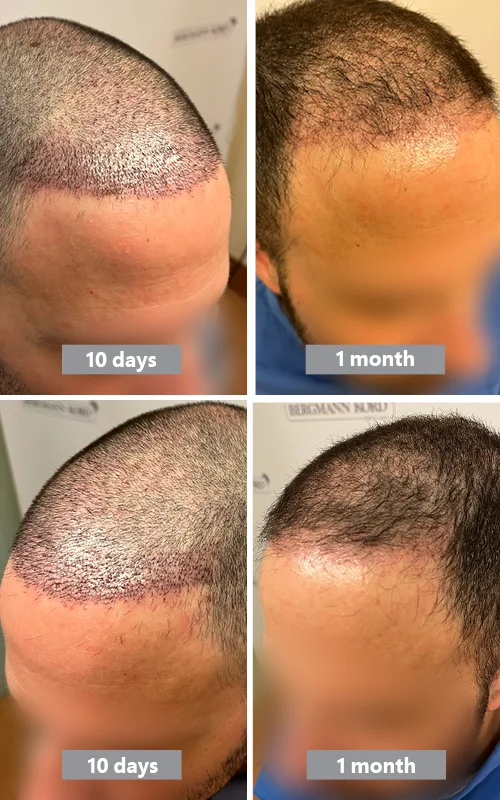
Shock loss is the temporary shedding of the hair shaft (not the follicle) that may occur after hair transplantation. During the procedure, hair follicles undergo micro-trauma and temporary changes in blood supply. As a result, many follicles prematurely enter the telogen (resting) phase, leading to hair shedding.
The hair follicles are not destroyed; only the visible hair shaft is temporarily lost, while the root remains alive. This shedding can affect both the transplanted hairs in the recipient area and the existing hairs surrounding it. In some cases, it may also affect the donor area due to inflammation caused by graft extraction.
When does it start and how long does it last?
Shock loss follows a relatively predictable course, although its intensity and duration vary from person to person:
- Onset: approximately 2–4 weeks after the procedure
- Peak: between the 4th and 8th week, when hair shedding may appear more pronounced
- Resolution: gradually over 2–3 months, with the first new hairs beginning to appear around months 3–4
At the peak of the phenomenon, the scalp may appear thinner than it was before the procedure. This is completely normal and in no way indicates that the hair transplant has failed.
Shock loss in the recipient area
In the recipient area, shock loss is considered completely expected, and as a result, a significant percentage of the transplanted hairs may shed within the first weeks after the procedure. At the same time, in some cases, shedding may also occur in the existing hairs surrounding the transplanted zone, especially if they were already thin or weakened prior to the procedure.
This appearance does not affect the final result, as the follicles remain alive within the skin and reactivate in their normal growth cycle. Hair gradually regrows over the following months, restoring the final density of the transplant.
Shock loss in the donor area
One aspect that is often overlooked is that shock loss can also occur in the donor area. During graft extraction (mainly with FUE techniques), micro-trauma and an inflammatory response are caused in the skin. This may lead to:
- temporary thinning
- shedding of hairs around the extraction sites
- the impression that the donor area has “emptied” more than expected
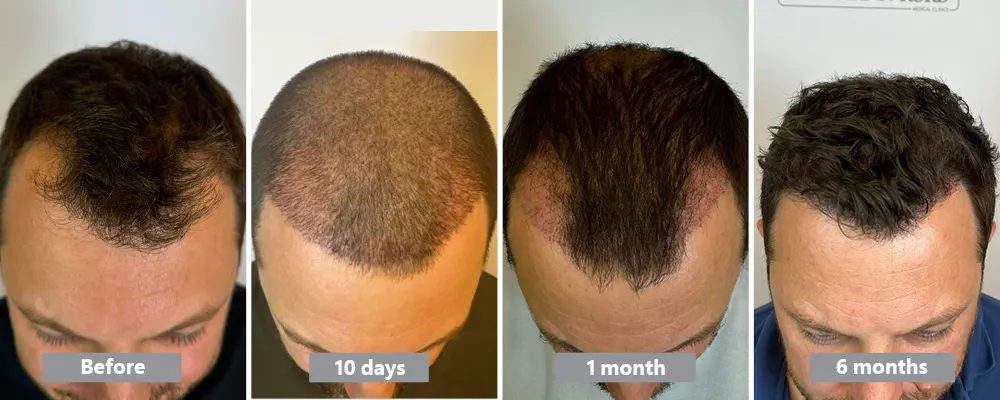
In most cases, shock loss in the donor area is reversible, and hair regrows within 3–4 months. A permanent issue may occur only if excessive graft harvesting has been performed—something that is avoided with proper planning and the surgeon’s experience.
Shock loss in the donor area
One aspect that is often overlooked is that shock loss can also occur in the donor area. During graft extraction (mainly with FUE techniques), micro-trauma and an inflammatory response are caused in the skin. This may lead to:
- temporary thinning
- shedding of hairs around the extraction sites
- the impression that the donor area has “emptied” more than expected
In most cases, shock loss in the donor area is reversible, and hair regrows within 3–4 months. A permanent issue may occur only if excessive graft harvesting has been performed—something that is avoided with proper planning and the surgeon’s experience.
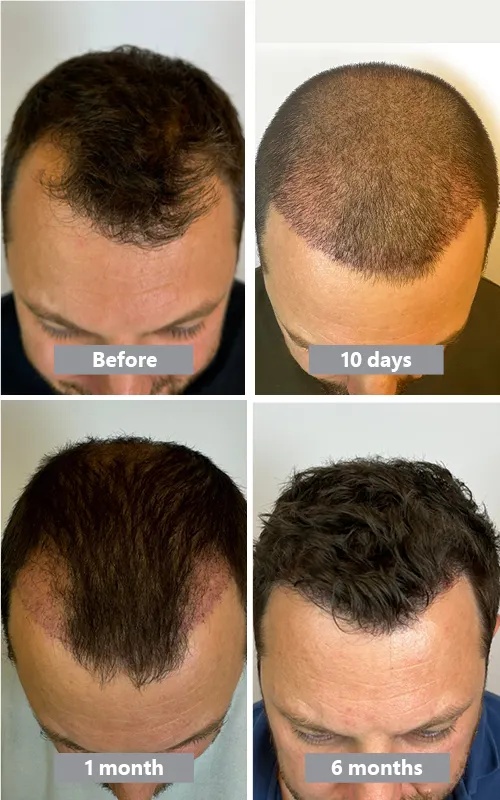
When does the final result become visible?
Regrowth usually begins around the 5th month, with gradual improvement in hair density and quality. The result becomes clearly visible between 8 and 12 months.
Find out if you are a suitable candidate
If you would like to receive detailed information about the hair transplant procedure, you can contact Bergmann Kord.
Through a simple and fast online diagnosis, you can receive a personalized assessment based on your individual needs.