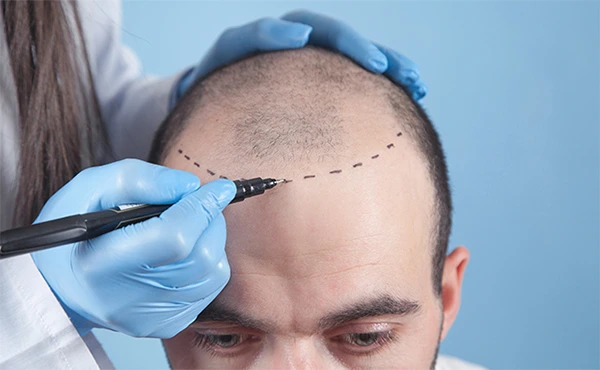
Minoxidil in Oral form
For decades, topical minoxidil (in lotion or foam form) has been considered a mainstay treatment for hair loss. In recent years, however, oral minoxidil in pill form has become increasingly popular.
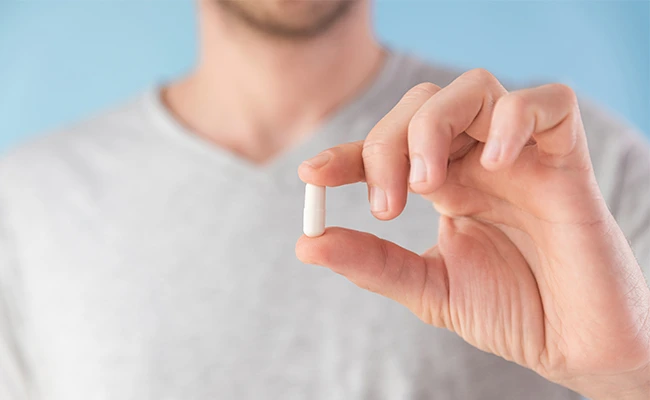
What is a minoxidil pill
Minoxidil is a medication that belongs to the class of vasodilators. It was originally used in cardiology for the treatment of hypertension. However, a side effect was quickly observed—hair growth. This led to the development of topical minoxidil, which was approved as a treatment for androgenetic alopecia.
Today, low-dose oral minoxidil is increasingly used as a treatment for hair loss. It is important to note that oral minoxidil does not have official FDA approval for the treatment of hair loss.
How oral minoxidil works on hair
Although its exact mechanism of action is not fully understood, it is known that minoxidil:
- increases blood flow to the hair follicles
- prolongs the hair growth (anagen) phase
- reduces the duration of the telogen (shedding) phase
- activates dormant hair follicles
Unlike medications such as finasteride and dutasteride, which block DHT.
Oral minoxidil dosage
The dosage of oral minoxidil varies from person to person. Studies suggest that the recommended dose for women starts at lower levels, around 1 mg, while in men it may reach up to 5 mg in certain cases. In general, it is particularly important that the dosage is determined after proper medical diagnosis and evaluation by a specialist.
Possible side effects
Low-dose oral minoxidil is generally well tolerated by a large percentage of users. However, it may cause some side effects. The most common side effect is generalized hypertrichosis, which includes increased hair growth on the face and other areas of the body.
Although side effects are usually mild, some patients may experience headaches, insomnia, or edema (swelling). For this reason, medical supervision is essential, with treatment starting at a low dose and increasing gradually.
Combination of oral minoxidil with other treatments
Combining treatments allows simultaneous action on different mechanisms involved in hair loss.
Finasteride
Finasteride works by reducing levels of the hormone DHT, which is responsible for hair follicle miniaturization in androgenetic alopecia.
PRP Treatment
PRP (Platelet-Rich Plasma) therapy uses the patient’s own growth factors to stimulate hair follicles.
Hair Transplant
Oral minoxidil can be used:
- before hair transplantation, to improve existing hair density
- after hair transplantation, to support both transplanted and existing hair
When should I visit an expert
Hair loss is a common but multifactorial condition that may be caused by hormonal, hereditary, pathological, or environmental factors. For this reason, visiting a specialized physician is essential for accurate diagnosis and proper treatment.
Are you looking for a solution to hair loss?
Proper information on effective hair loss treatment is the first step before any therapy.
Contact our clinics for a personalized diagnosis.