Side Effects of Hair Transplantation
Hair transplantation has evolved into a popular and effective solution for hair restoration. However, as with any medical procedure, it may be associated with certain side effects and complications. It is important for every individual to be informed about the possible side effects before proceeding with the treatment. In this way, they will be better prepared and able to manage their postoperative recovery more effectively.

What is a hair transplant?
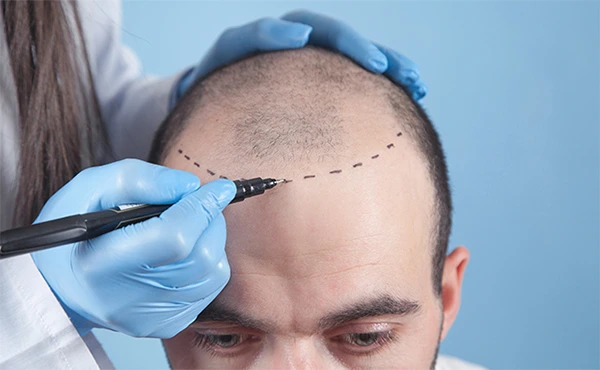
Hair transplantation is a procedure that involves the harvesting of hair follicles from one area of the scalp (known as the donor area) and their implantation into areas affected by thinning or hair loss (the recipient area). The most common hair transplant methods include:
Common side effects
- Swelling and redness
After the procedure, swelling may occur on the forehead and around the eyes. This can last from a few days up to one week. The use of cold compresses and keeping the head elevated can help reduce swelling. - Pain and Discomfort
Individuals undergoing hair transplantation often report mild to moderate pain in both the donor and recipient areas. This discomfort is usually well controlled with pain medication and typically subsides within a few days. - Scabbing and Redness
The formation of small scabs around the transplanted hair follicles is normal and expected. These scabs usually fall off within one to two weeks. It is important not to scratch or manually remove them, as this may increase the risk of infection. - Itching
Itching is another common side effect, usually peaking during the first days after the procedure. Using mild shampoos and avoiding scratching can help relieve discomfort. - Shock Loss (Temporary Hair Shedding)
A commonly expected side effect is temporary hair shedding, known as shock loss, which may occur 2–6 weeks after the procedure. This condition is normal, and hair typically regrows within 3–4 months.

Serious complications
Although serious complications are rare, it is important to be aware of them:
- Infections
Infection may occur if proper hygiene protocols are not followed during the procedure or the recovery period. It is essential to keep the treated area clean and avoid touching it with unclean hands.
- Allergic reactions
Some patients may experience allergic reactions to anesthetics or medications used during the procedure. It is important to inform your physician of any known allergies in advance.
- Irregular hair growth
Improper placement of grafts may lead to uneven or unnatural hair growth, resulting in a patchy or imbalanced appearance. Choosing an experienced surgeon can significantly reduce this risk.
Measures to minimize risk
- Clinic selection
Choosing a reputable clinic with experienced surgeons is critical. It is important that the clinic is highly specialized and has proven experience in hair transplantation procedures.
- Adherense to postoperative instructions
Carefully follow your physician’s postoperative guidelines. This includes taking prescribed medications and avoiding physical activity for a specified period of time.
- Hygiene
Maintaining proper hygiene is essential to prevent infections. Always wash your hands before touching the transplanted area and avoid contact with unclean objects.
Find out if you are a suitable candidate
If you would like to receive detailed information about the hair transplant procedure, you can contact Bergmann Kord.
Through a simple and fast online diagnosis, you can receive a personalized assessment based on your individual needs.