


FUT Hair Transplant
The FUT (Follicular Unit Transplantation) hair transplant, also known as the “Strip” method, is—along with the FUE (Follicular Unit Extraction) technique—one of the two most advanced medical methods for restoring hair loss.
These two hair implantation techniques are similar in their overall approach, with the only difference being the way follicular units are harvested from the donor area.
While the FUE method extracts follicles individually from various, scattered points in the donor zone, in the FUT method the follicular units are taken in sequence from a thin strip of skin, and then carefully dissected.
The FUT technique can be applied to both men and women, offering completely natural and permanent results. Its success requires a high level of specialization and experience from the medical team.
Today, FUT is performed at Bergmann Kord in its most modern and refined form.

The FUT (Follicular Unit Transplantation) hair transplant, also known as the “Strip” method, is—along with the FUE (Follicular Unit Extraction) technique—one of the two most advanced medical methods for restoring hair loss.
These two hair implantation techniques are similar in their overall approach, with the only difference being the way follicular units are harvested from the donor area.
While the FUE method extracts follicles individually from various, scattered points in the donor zone, in the FUT method the follicular units are taken in sequence from a thin strip of skin, and then carefully dissected.
The FUT technique can be applied to both men and women, offering completely natural and permanent results. Its success requires a high level of specialization and experience from the medical team.
Today, FUT is performed at Bergmann Kord in its most modern and refined form.

How does it work
The FUT method involves the mass extraction of follicular units from the zone of stable hair growth, located at the back and sides of the head, followed by their implantation into the thinning (recipient) area.
Essentially, the technique replicates the natural pattern of hair growth, as hair grows in groups of 1 to 4 hairs—known as follicular units.
FUT hair transplantation utilizes the stable hair growth of the parietal and occipital regions, which are resistant to hair loss. This is achieved by harvesting follicular units from these areas and transplanting them into regions of the scalp experiencing thinning.
Because the transplanted follicles retain their genetic resistance to hair loss, the new hairs continue to grow normally, following their natural growth cycle, without the risk of weakening or shedding.
When the capabilities of the FUT method are combined with high-level surgical skill, refined aesthetic judgment, and many years of experience, the result is a permanent and aesthetically superior outcome.
How does it work
The FUT method involves the mass extraction of follicular units from the zone of stable hair growth, located at the back and sides of the head, followed by their implantation into the thinning (recipient) area.
Essentially, the technique replicates the natural pattern of hair growth, as hair grows in groups of 1 to 4 hairs—known as follicular units.
FUT hair transplantation utilizes the stable hair growth of the parietal and occipital regions, which are resistant to hair loss. This is achieved by harvesting follicular units from these areas and transplanting them into regions of the scalp experiencing thinning.
Because the transplanted follicles retain their genetic resistance to hair loss, the new hairs continue to grow normally, following their natural growth cycle, without the risk of weakening or shedding.
When the capabilities of the FUT method are combined with high-level surgical skill, refined aesthetic judgment, and many years of experience, the result is a permanent and aesthetically superior outcome.
Stages of the procedure
1 - Local anaesthesia
After the patient is prepared by the nursing team, local anesthesia is administered by the anesthesiologist.
2 - Follicle harvesting
The lead hair transplant surgeon removes a continuous strip of tissue from the donor area in order to harvest a large number of follicular units.
The procedure is performed with exceptional precision and care to ensure minimal trauma to the donor area.
At the same time, preserving the integrity of the surrounding follicular units is of utmost importance.
3 - Trichophytic closure
Immediately afterward, the lead surgeon performs the specialized technique of Trichophytic Closure, the most advanced method of wound closure in plastic surgery.
Specifically, trichophytic closure enables hair to regrow through the resulting FUT scar.
This significantly softens the appearance of the linear scar and makes it almost “invisible.”
The Trichophytic Closure technique is subject to two important limitations:
- It must be performed exclusively by a plastic surgeon, because if not executed correctly, it may result in a larger scar than the one that would have formed without the technique.
- It cannot be applied in donor areas with sparse hair growth or skin with low elasticity, as it may reduce the total number of follicular units that can be safely harvested.
For this reason, when performing a FUT hair transplant, the most appropriate closure method is selected based on the specific characteristics and needs of each case.
4 - Graft processing
With the necessary use of microscopes, the strip of skin is dissected into the follicular units it contains. The use of microscopes is essential in FUT hair transplantation, as it allows for the full and optimal utilization of the extracted tissue strip, ensuring the integrity and viability of the follicular units.
The process requires exceptional skill and precision, because follicular units are delicate biological structures that must be handled carefully to preserve their architecture and functionality. For this reason, the procedure must only be performed by specialized and properly trained scientific personnel.
The follicular units are then processed so they are ready for implantation.
5 - Creation of recipient sites
After the closure process is completed, the lead surgeon creates the recipient sites where the follicular units will be transplanted. These sites are designed according to specific parameters regarding their size and the spacing between them.
The incisions are very small so as not to disrupt the elasticity or microcirculation of the recipient area, thereby ensuring the optimal conditions for the growth, nourishment, and development of the new hairs. Additionally, they are placed at close distances to achieve the highest possible density per cm².
This carefully planned and precise placement of the follicular units is crucial both for the natural appearance of the result and for achieving maximum density.
6 - Graft placement
The final stage of follicular unit placement is, from a technical standpoint, the most demanding part of the procedure. The follicular units are implanted into the recipient sites along with the surrounding connective tissue that protects them.
Single-hair follicular units are positioned along the hairline, creating subtle irregularities—indentations and projections—that mimic the natural emergence pattern of hair. Follicular units containing 2, 3, or 4 hairs are placed further inside the thinning area to enhance density and achieve a natural, full-looking result.
1 - Local anaesthesia
After the patient is prepared by the nursing team, local anesthesia is administered by the anesthesiologist.
2 - Follicle harvesting
The lead hair transplant surgeon removes a continuous strip of tissue from the donor area in order to harvest a large number of follicular units.
The procedure is performed with exceptional precision and care to ensure minimal trauma to the donor area.
At the same time, preserving the integrity of the surrounding follicular units is of utmost importance.
3 - Trichophytic closure
Immediately afterward, the lead surgeon performs the specialized technique of Trichophytic Closure, the most advanced method of wound closure in plastic surgery.
Specifically, trichophytic closure enables hair to regrow through the resulting FUT scar.
This significantly softens the appearance of the linear scar and makes it almost “invisible.”
The Trichophytic Closure technique is subject to two important limitations:
- It must be performed exclusively by a plastic surgeon, because if not executed correctly, it may result in a larger scar than the one that would have formed without the technique.
- It cannot be applied in donor areas with sparse hair growth or skin with low elasticity, as it may reduce the total number of follicular units that can be safely harvested.
For this reason, when performing a FUT hair transplant, the most appropriate closure method is selected based on the specific characteristics and needs of each case.
4 - Graft processing
With the necessary use of microscopes, the strip of skin is dissected into the follicular units it contains. The use of microscopes is essential in FUT hair transplantation, as it allows for the full and optimal utilization of the extracted tissue strip, ensuring the integrity and viability of the follicular units.
The process requires exceptional skill and precision, because follicular units are delicate biological structures that must be handled carefully to preserve their architecture and functionality. For this reason, the procedure must only be performed by specialized and properly trained scientific personnel.
The follicular units are then processed so they are ready for implantation.
5 - Creation of recipient sites
After the closure process is completed, the lead surgeon creates the recipient sites where the follicular units will be transplanted. These sites are designed according to specific parameters regarding their size and the spacing between them.
The incisions are very small so as not to disrupt the elasticity or microcirculation of the recipient area, thereby ensuring the optimal conditions for the growth, nourishment, and development of the new hairs. Additionally, they are placed at close distances to achieve the highest possible density per cm².
This carefully planned and precise placement of the follicular units is crucial both for the natural appearance of the result and for achieving maximum density.
6 - Graft placement
The final stage of follicular unit placement is, from a technical standpoint, the most demanding part of the procedure. The follicular units are implanted into the recipient sites along with the surrounding connective tissue that protects them.
Single-hair follicular units are positioned along the hairline, creating subtle irregularities—indentations and projections—that mimic the natural emergence pattern of hair. Follicular units containing 2, 3, or 4 hairs are placed further inside the thinning area to enhance density and achieve a natural, full-looking result.
FUT technique advantages (Strip)
At Bergmann Kord, the medical teams apply an optimized version of the FUT hair transplant technique, distinguished by the following advantages:
Painless Procedure
In the past, FUT hair transplantation could cause mild discomfort in about 30% of candidates. Today, the advanced form of the method, combined with a strict medical protocol, ensures that the procedure is completely painless and does not cause any discomfort.
Mild Post-Operative Recovery
Patients may experience slight discomfort in the donor area, which typically subsides within the first 48 hours and can be easily managed with common pain relievers.
“Invisible” Scar
To close the donor area after the removal of the tissue strip, the well-established Trichophytic Closure technique is applied. This method creates an “invisible” scar, detectable only by a trained specialist and only upon very close inspection of the scalp.
No Post-Operative Swelling
In the past, some individuals undergoing FUT hair transplantation experienced temporary frontal swelling.
Today, however, the specialized protocol followed by Bergmann Kord’s medical teams protects the scalp from irritation and edema—making such cases extremely rare.
Key parameters
Frontal hairline
The frontal hairline is one of the most important parameters in determining the naturalness of the final result, as it forms the most harmonious transition between the forehead and the hair.
When examined under magnification, the natural hairline appears irregular. It is composed of single hairs at the very front, which gradually blend into follicular units of two or more hairs oriented toward the interior of the scalp.
It is also observed that the hairline naturally forms subtle recessions and projections. These do not follow a strict linear pattern but instead create a random, asymmetrical appearance.
This is why exceptional technical skill and aesthetic perception are required in its design—to ensure it appears completely natural and perfectly suited to each individual’s facial profile.
For this reason, factors such as the patient’s age, facial characteristics, shape and symmetry, as well as personal style, are essential considerations in the hairline design process.
Frontal scalp area
The area directly behind the frontal hairline is equally important for achieving a natural and aesthetically refined result. Creating adequate density and ensuring the correct growth direction of the new hair are key elements in this zone.
The newly implanted hairs must blend seamlessly with the hairline and softly frame the face. For this reason, the surgeon’s experience and precision during follicular unit placement play a crucial role in the final outcome.
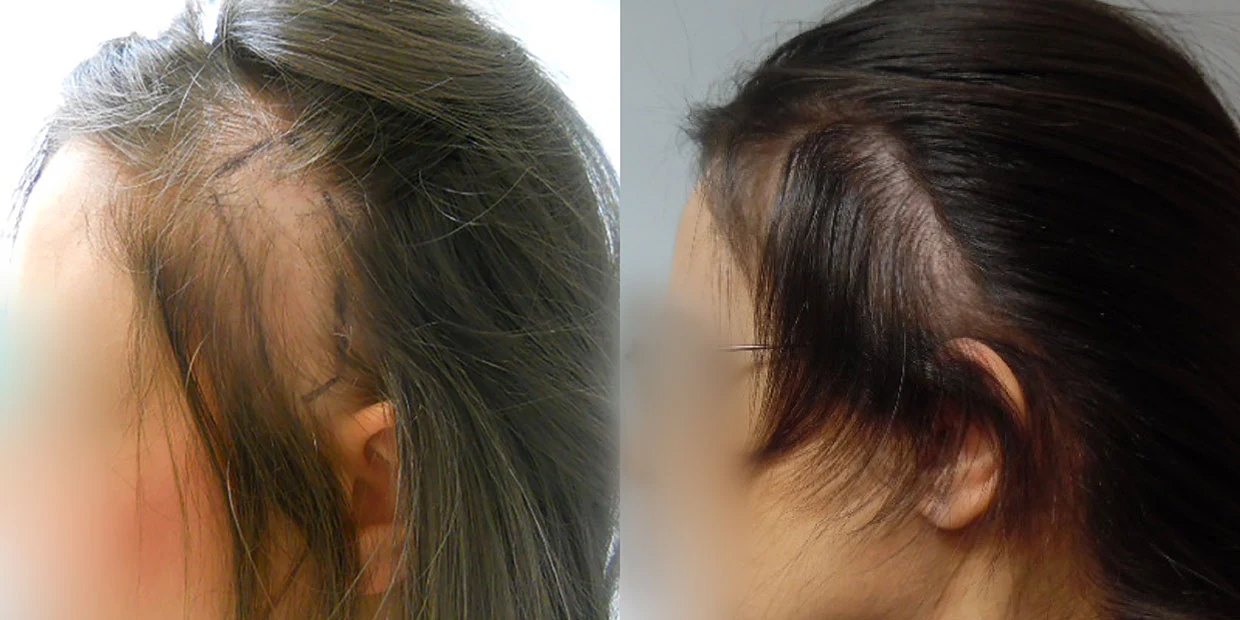
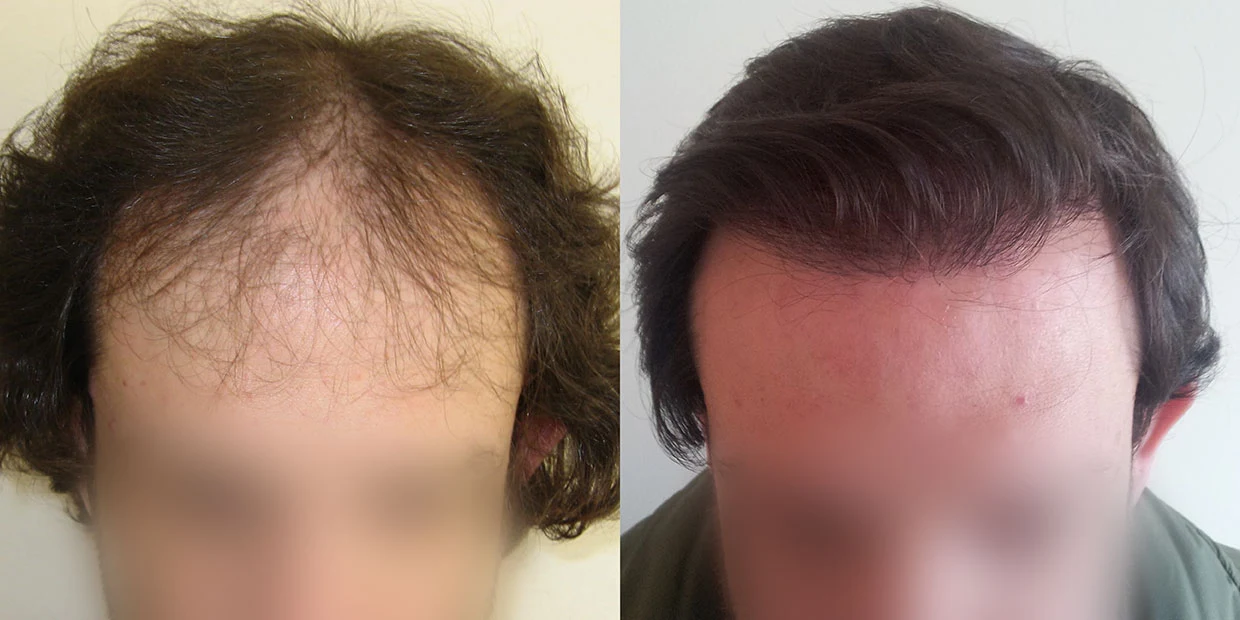
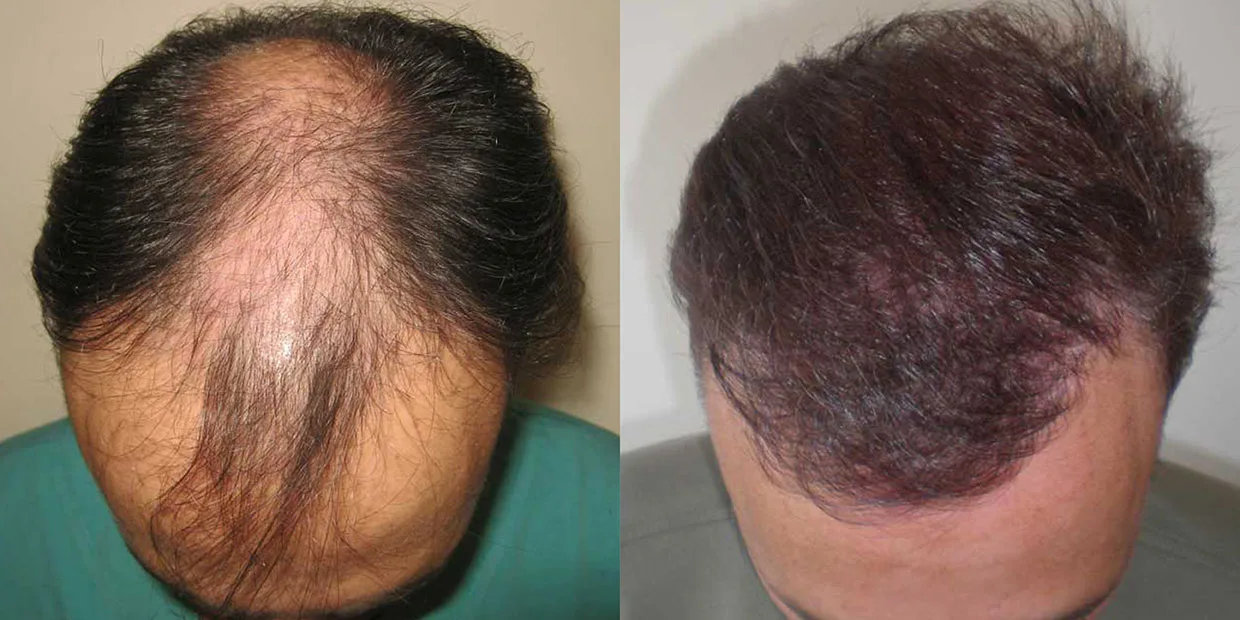
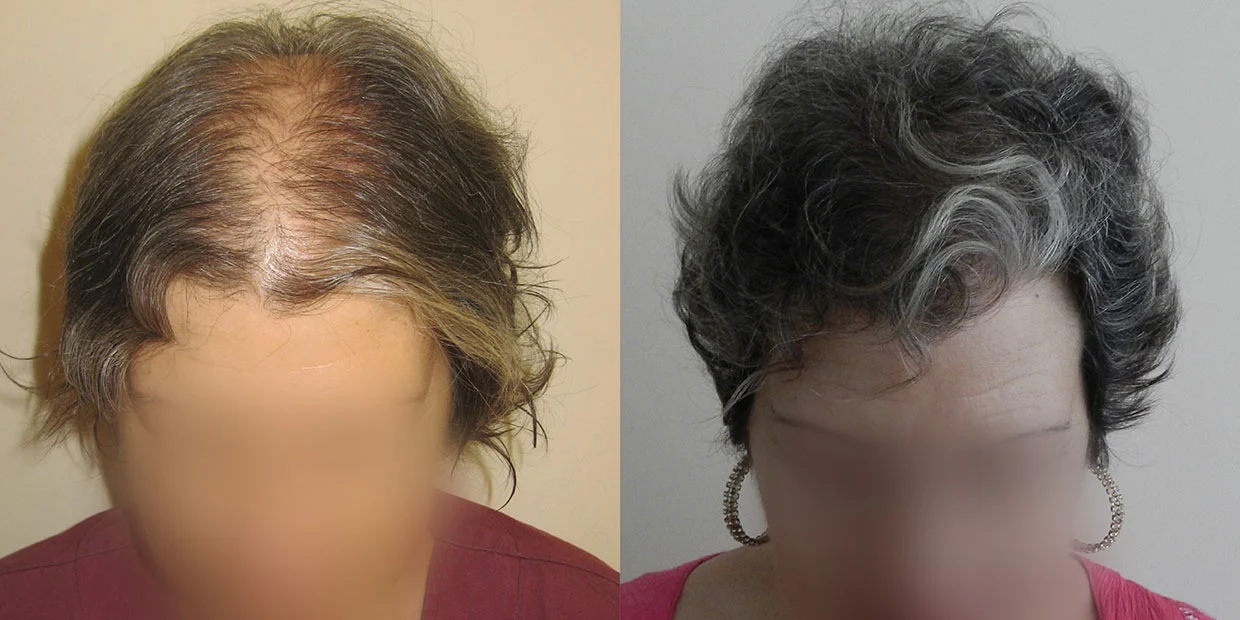
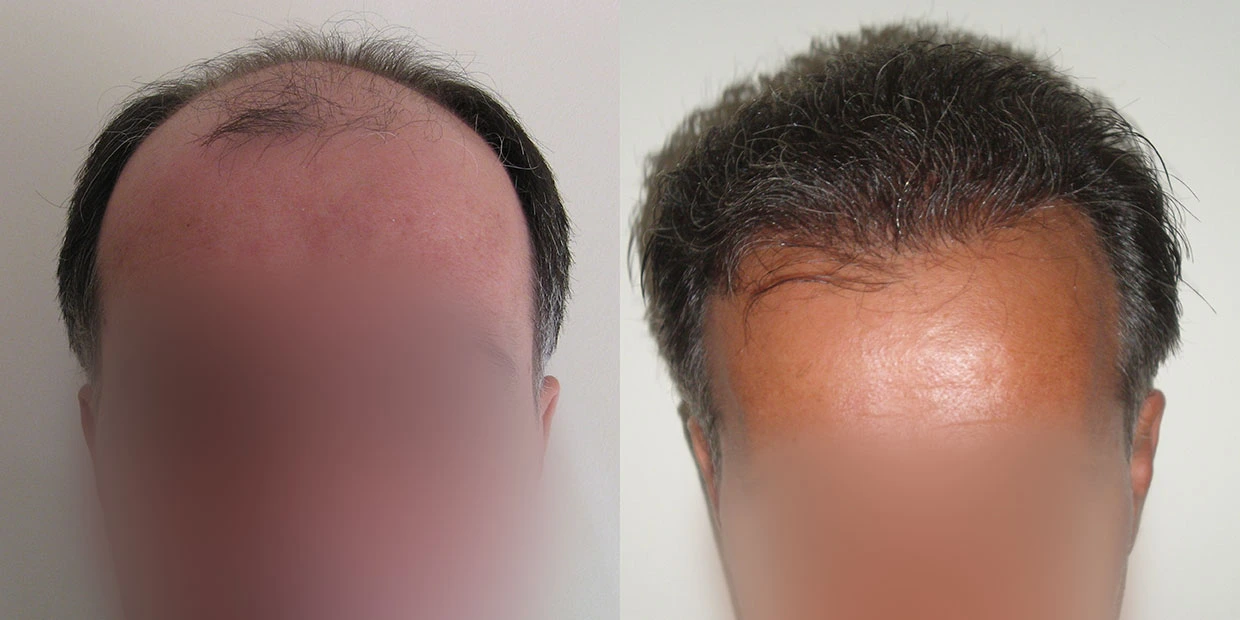
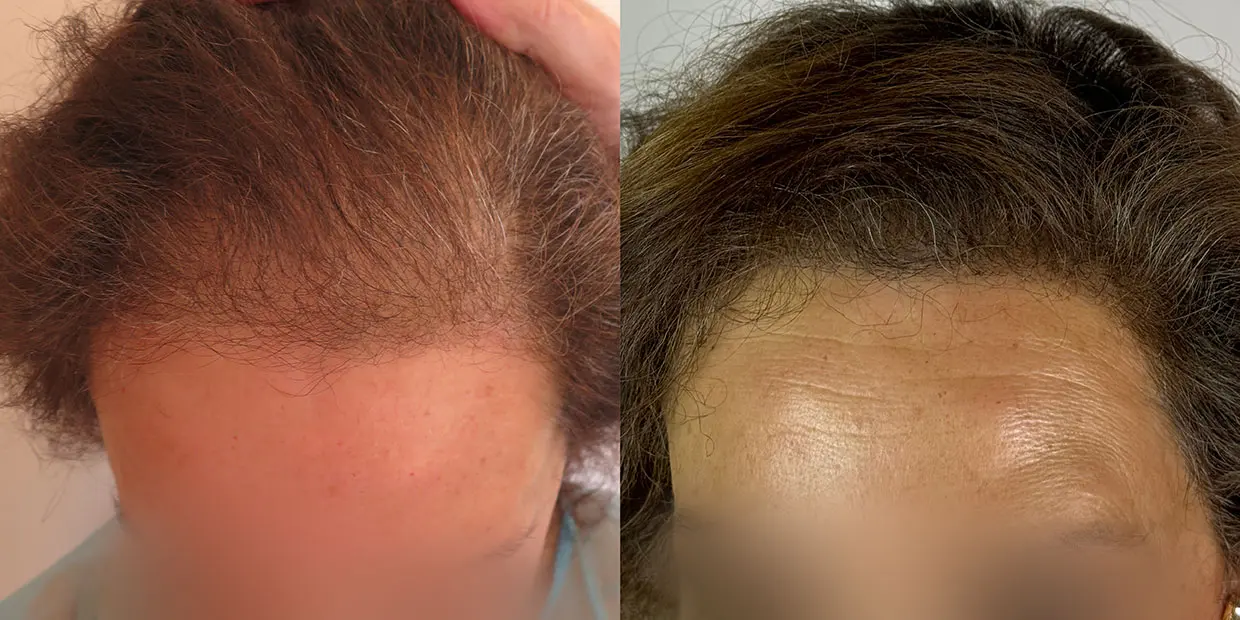
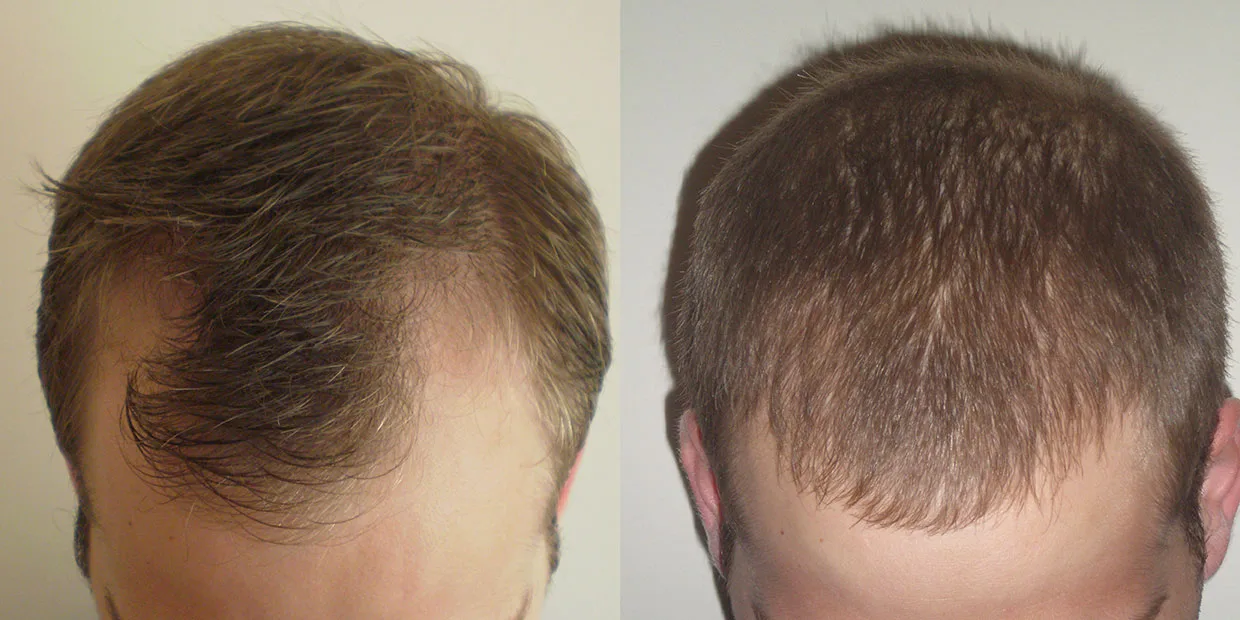
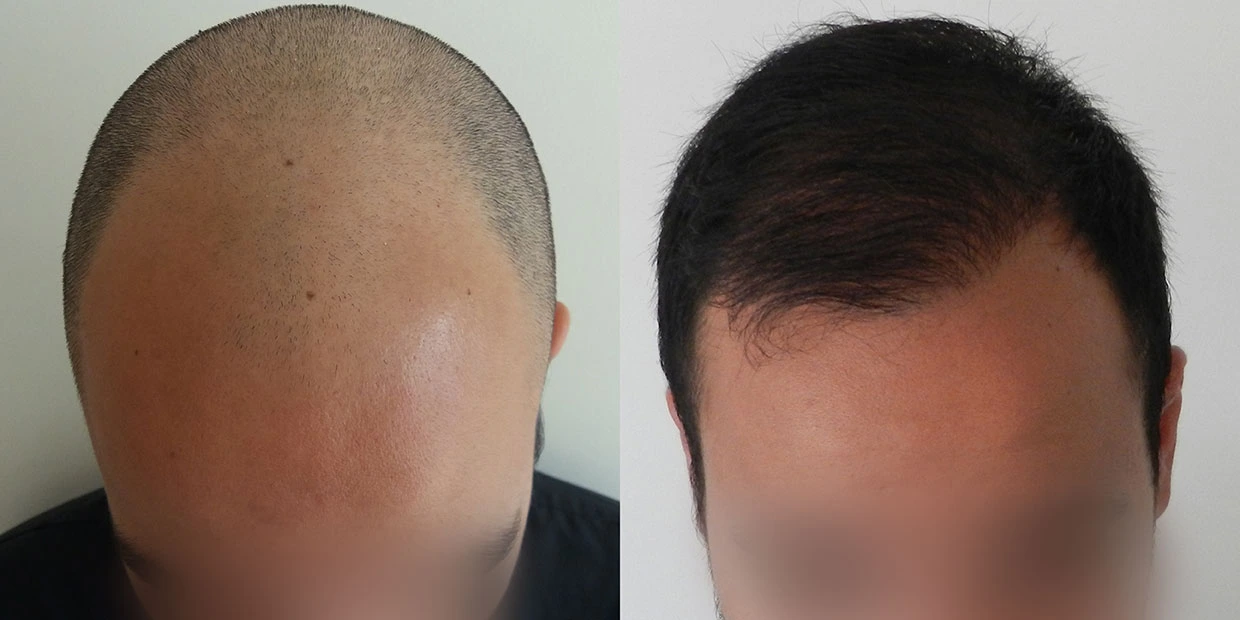
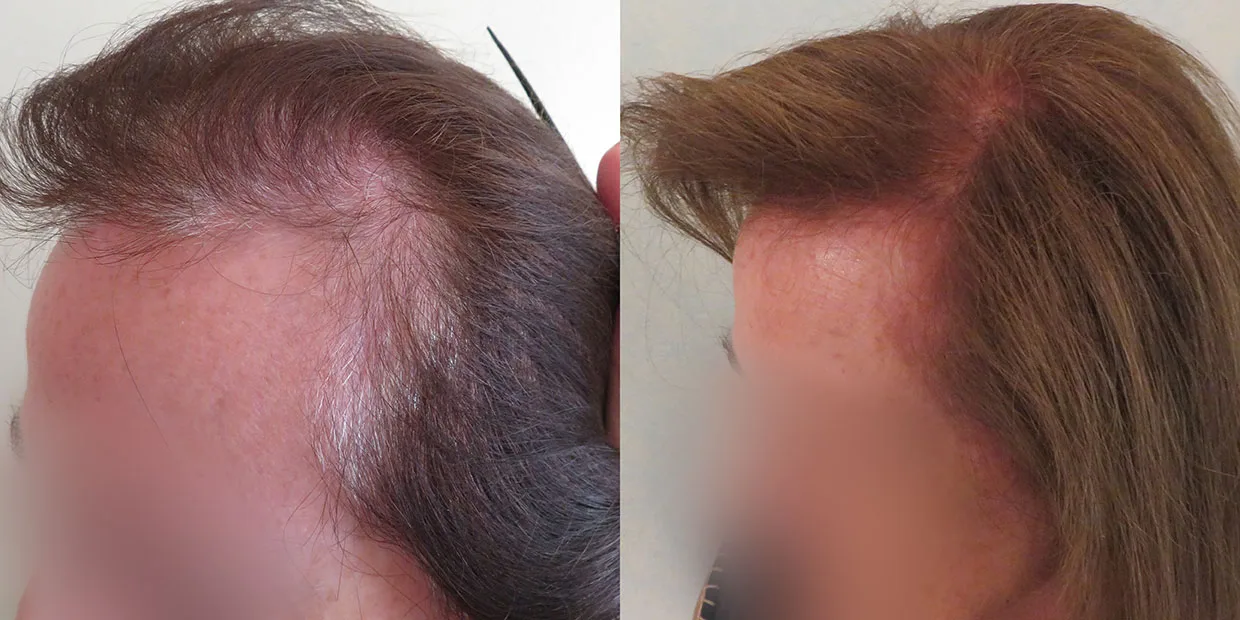
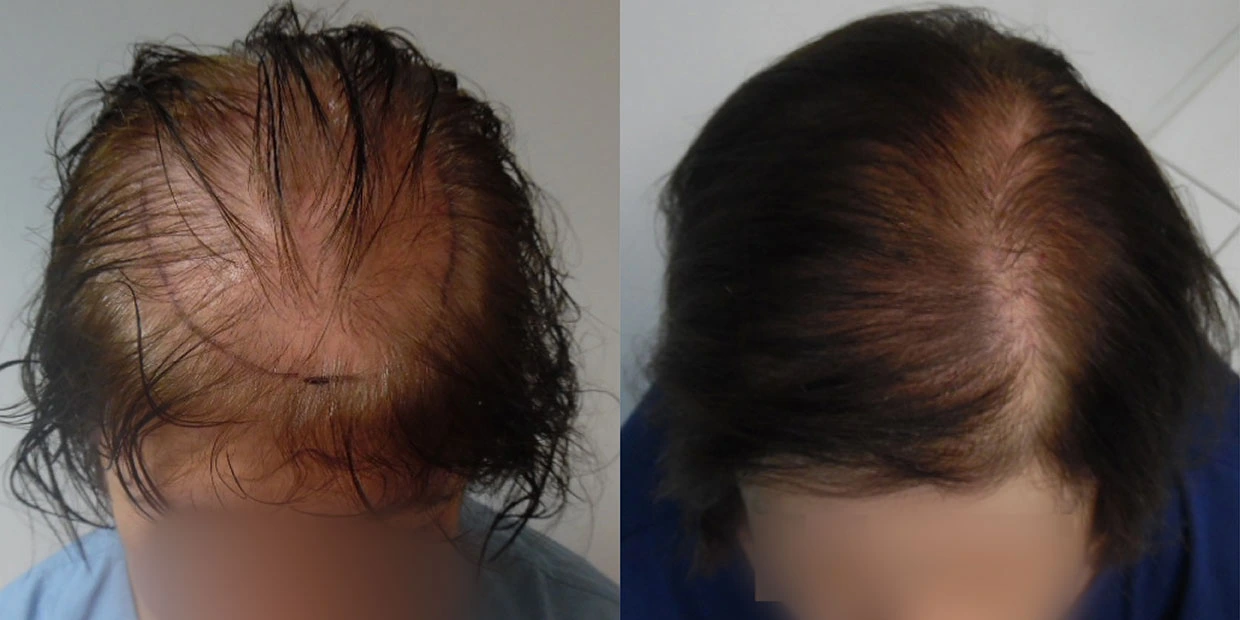
FUT Hair transplant results
Bergmann Kord medical team
The FUT hair transplant technique is performed by distinguished surgeons, each of whom possesses complete specialization in a specific method and deep scientific expertise. This exclusive focus on a single technique was established to avoid situations in which a doctor recommends only the method they happen to know and practice.
For this reason, Bergmann Kord’s diagnostic policy is applied with strict consistency. This ensures that the most appropriate hair transplant technique is selected for each individual, maximizing both safety and effectiveness.
Contact Form