


The diagnosis of hair loss
The diagnosis of hair loss is the foundation for the effective management of every form of it.
The causes and patterns of hair loss vary significantly from person to person. For this reason, an evaluation by a specialized physician or trichology consultant is necessary in order to identify the type of alopecia and to develop a personalized treatment plan.
The first signs that may indicate pathological hair loss include:
- Increased hair shedding during washing or brushing
- Visible thinning in specific areas of the scalp, such as the crown, temples, or forehead
- Changes in hair quality, such as thinning or weakening
- Itching, inflammation, or redness of the scalp
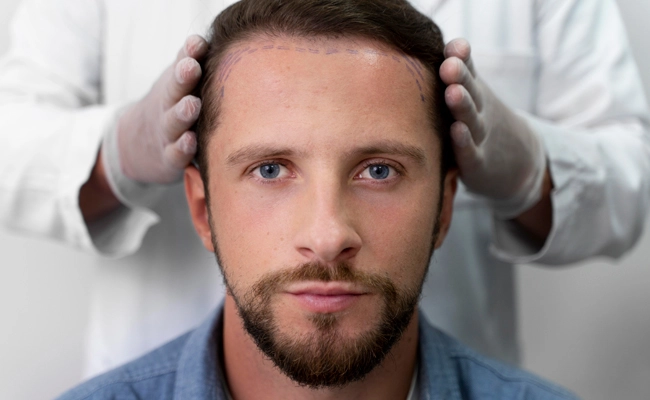
The diagnosis of hair loss is the foundation for the effective management of every form of it.
The causes and patterns of hair loss vary significantly from person to person. For this reason, an evaluation by a specialized physician or trichology consultant is necessary in order to identify the type of alopecia and to develop a personalized treatment plan.
The first signs that may indicate pathological hair loss include:
- Increased hair shedding during washing or brushing
- Visible thinning in specific areas of the scalp, such as the crown, temples, or forehead
- Changes in hair quality, such as thinning or weakening
- Itching, inflammation, or redness of the scalp
The importance of hair loss diagnosis
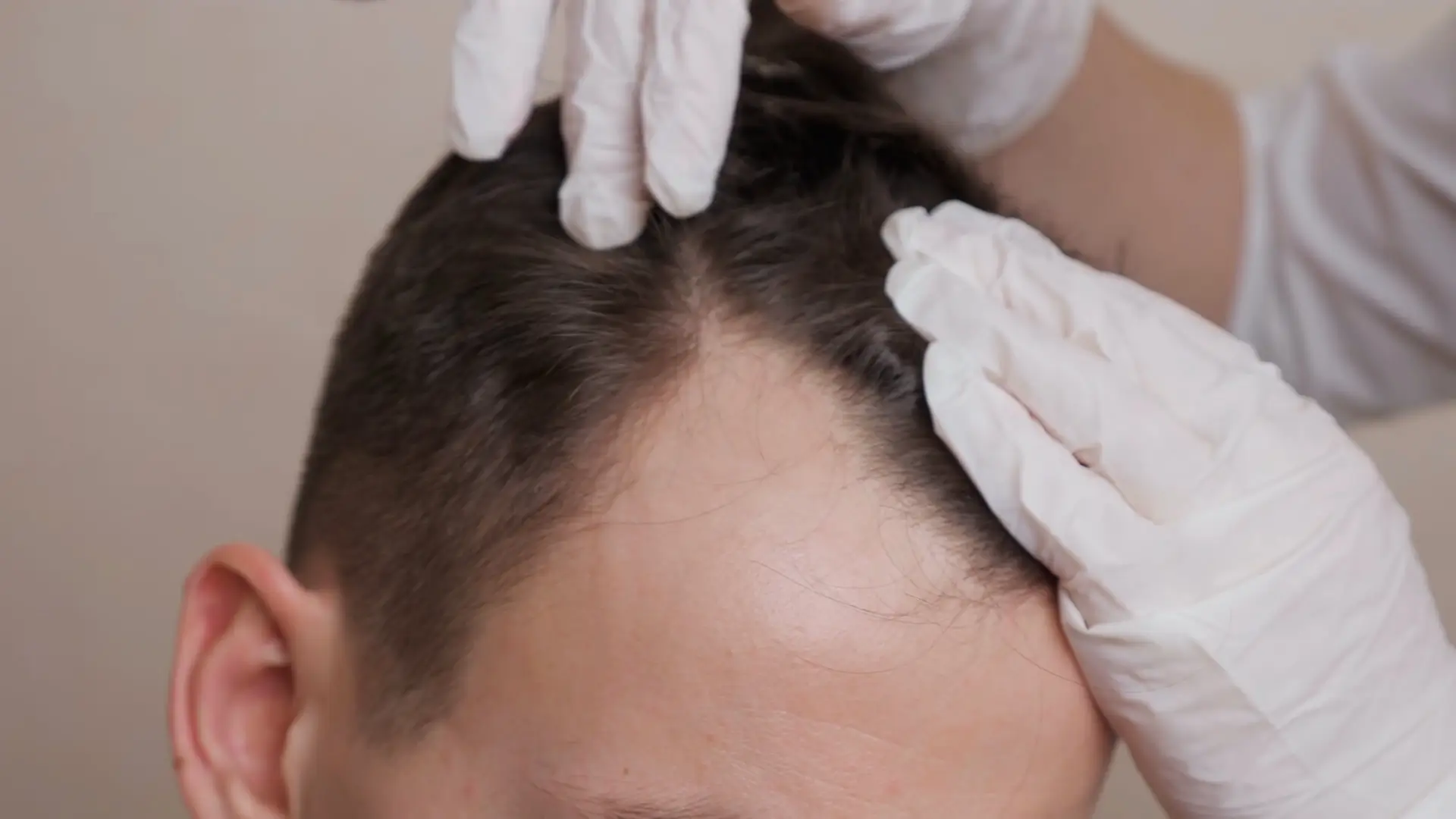
The diagnosis of hair loss is a decisive step before any form of treatment or intervention.
Hair loss may be caused by a variety of factors — from genetic and hormonal influences to autoimmune disorders, dermatological conditions, or environmental factors.
This is why the accurate identification of the cause is essential for effective and targeted management.
The diagnosis is offered free of charge, without any financial or other obligation for anyone interested.
The goal is the timely identification of the problem, so that a personalized treatment plan can be developed based on the real needs of each patient.
Responsible and well-documented information provided by specialized professionals is the first and necessary step towards:
- preventing further deterioration
- strengthening existing hair growth
- restoring the hair, where possible.
The diagnosis of hair loss is a decisive step before any form of treatment or intervention.
Hair loss may be caused by a variety of factors — from genetic and hormonal influences to autoimmune disorders, dermatological conditions, or environmental factors.
This is why the accurate identification of the cause is essential for effective and targeted management.
The diagnosis is offered free of charge, without any financial or other obligation for anyone interested.
The goal is the timely identification of the problem, so that a personalized treatment plan can be developed based on the real needs of each patient.
Responsible and well-documented information provided by specialized professionals is the first and necessary step towards:
- preventing further deterioration
- strengthening existing hair growth
- restoring the hair, where possible.
Hair loss diagnosis – The process
The diagnosis of hair loss is carried out by specialized personnel according to each case and its needs, using specific diagnostic techniques such as:
Clinical examination
The medical diagnosis begins with taking a personal medical history. This is followed by a comprehensive examination through which the external characteristics of the condition are recorded, shaping the clinical picture of the scalp.
Microscopic analysis of the scalp
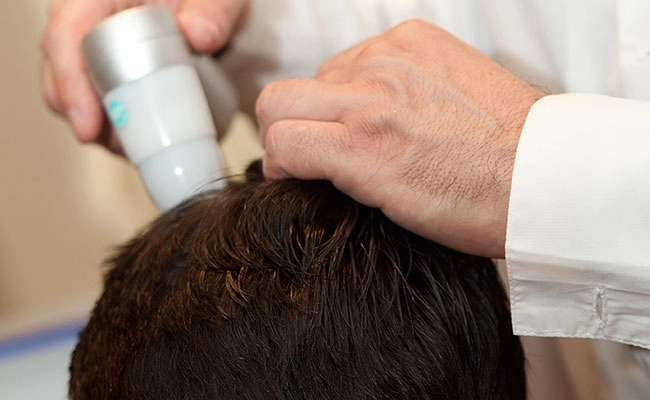
Using a specialized micro-camera, the necessary information is collected regarding density, as well as the general condition of the hair and scalp. Possible dysfunctions, such as dermatological conditions, are then detected in order to perform a safe and meaningful assessment of the future progression of hair loss.
Trichogram
This includes a thorough observation of the hairs under a microscope, aiming to record the exact number of hairs in the anagen and catagen phases in order to identify potential issues in the hair follicle.
What does the diagnostic assessment include?
The diagnostic assessment, depending on each individual case, is the most modern and effective method for diagnosing hair loss. Through this assessment, the exact condition of the scalp is analyzed and evaluated, while at the same time all relevant data are recorded, such as:
- Presence of dermatological factors or conditions.
- Calculation of sebaceous gland activity.
- Study of hair loss – classification and identification of its causes.
- Determination of possible dysfunctions of the scalp or the hair.
- Determination of the percentage ratio of the hair growth phases.

- Presence and percentage ratio of dystrophic hairs.
- Determination of the hair diameter and other qualitative characteristics of the hair.
- Density measurement (determination of hair follicles per cm² and the average number of hairs per follicle).
- Assessment of the rate of hair loss.
- Assessment of the future progression of hair loss and the anticipated degree of thinning.
- Presence of dermatological factors or conditions.
- Calculation of sebaceous gland activity.
- Study of hair loss – classification and identification of its causes.
- Determination of possible dysfunctions of the scalp or the hair.
- Determination of the percentage ratio of the hair growth phases.
- Presence and percentage ratio of dystrophic hairs.
- Determination of the hair diameter and other qualitative characteristics of the hair.
- Density measurement (determination of hair follicles per cm² and the average number of hairs per follicle).
- Assessment of the rate of hair loss.
- Assessment of the future progression of hair loss and the anticipated degree of thinning.
Specialized hematological / hormonal tests
In many cases, such as Alopecia Areata or Cicatricial Alopecia, hair loss is caused by specific factors such as:
- Hormonal disorders
- Thyroid problems
- Medical conditions
- Deficiencies in vitamins, minerals, trace elements, etc.
Therefore, it is necessary to carry out hematological tests, as well as checks of minerals, trace elements, and more. If deemed necessary — particularly in women — hormonal tests are also performed, so that symptoms can be distinguished and the exact cause of the hair loss can be identified.
Processing of the results
The processing of the results provides safe and reliable information regarding the progression of hair loss, the personalized treatment that the individual will follow, and, in the long term, the evaluation of its effectiveness.
Specifically, in cases of diagnosis for hair transplantation, all the necessary prerequisites for carrying out the procedure are verified, such as:
- Recording the boundaries, capabilities, and reserves of the donor area within the zone of stable hair growth, and determining its stabilization percentage in relation to the hair loss.
- Determining the ability of the hair to ensure satisfactory density.
- Assessing the future progression of hair loss, so that the transplant plan is designed based on the anticipated future pattern of thinning.
At the same time, a projection is made for the next stage of treatment, where deemed necessary.
Choosing the right treatment
The selection of the appropriate treatment for hair loss is based on the diagnostic findings.
There is no single solution for everyone; each case is evaluated individually, depending on the extent, causes, and progression rate of hair thinning. Depending on the characteristics of the scalp and the needs of each individual, either hair transplantation or non-invasive hair loss treatments may be recommended.
The decision is made based on the individual’s needs, preferences, and the expected effectiveness.
The management and treatment of hair loss can be classified into two main categories:
Hair Loss Treatments
These include autologous hair mesotherapy (PRP), pharmaceutical treatments, and heterologous mesotherapy, all of which aim to strengthen existing hair follicles. Conservative treatments play a significant role in combating hair loss and enhancing existing hair growth.
Hair Transplantation
Hair transplantation is a surgical procedure for the permanent restoration of hair growth. In recent years, hair transplant techniques have advanced significantly, offering natural results and minimal recovery time.