


How is a Hair Transplant performed?
How is a Hair Transplant performed?
Hair transplantation has achieved remarkable progress in recent decades, thanks to advancements in medical techniques and technology.
These developments have led to results that are more natural and aesthetically refined, making hair transplantation one of the most reliable solutions for restoring hair density.
As a result, an increasing number of people experiencing thinning or hair loss choose this treatment in order to regain the appearance of fuller hair and restore their confidence.
However, the wide range of available techniques often raises questions and concerns—particularly regarding effectiveness, long-term results, and the safety of the procedure.
Hair transplantation is suitable for both men and women seeking a dependable solution for managing hair loss.
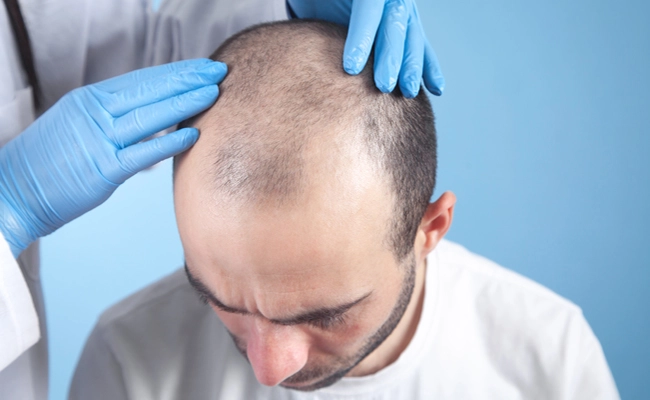
Hair transplantation has achieved remarkable progress in recent decades, thanks to advancements in medical techniques and technology.
These developments have led to results that are more natural and aesthetically refined, making hair transplantation one of the most reliable solutions for restoring hair density.
As a result, an increasing number of people experiencing thinning or hair loss choose this treatment in order to regain the appearance of fuller hair and restore their confidence.
However, the wide range of available techniques often raises questions and concerns—particularly regarding effectiveness, long-term results, and the safety of the procedure.
Hair transplantation is suitable for both men and women seeking a dependable solution for managing hair loss.
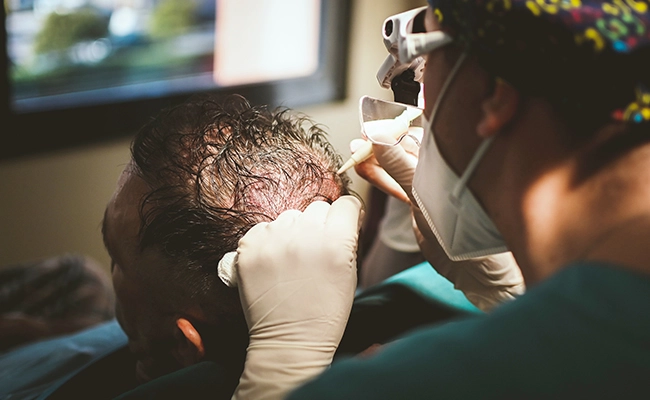
What is a hair transplant?
A hair transplant is a specialized medical procedure designed to restore hair growth in areas of the scalp where thinning or hair loss has occurred.
Hair naturally grows in small groups called grafts or follicular units, each typically containing one to four hairs.
Hair implantation is performed by transferring healthy follicular units from the donor area (the back and sides of the head) of the same individual.
The follicles located in these regions are genetically resistant to hair loss and retain this property even after being transplanted to the recipient area.
The method used to extract grafts from the donor area varies depending on the chosen technique.
Once transplanted, the hairs continue to grow naturally and remain permanently in the recipient area.
Therefore, a hair transplant can provide permanent and natural-looking results.
What is a hair transplant?
A hair transplant is a specialized medical procedure designed to restore hair growth in areas of the scalp where thinning or hair loss has occurred.Hair naturally grows in small groups called grafts or follicular units, each typically containing one to four hairs.
Hair implantation is performed by transferring healthy follicular units from the donor area (the back and sides of the head) of the same individual.The follicles located in these regions are genetically resistant to hair loss and retain this property even after being transplanted to the recipient area.
The method used to extract grafts from the donor area varies depending on the chosen technique.Once transplanted, the hairs continue to grow naturally and remain permanently in the recipient area.
Therefore, a hair transplant can provide permanent and natural-looking results.
Hair Physiology
In hair transplantation, understanding the physiology of the hair is essential for achieving natural and aesthetically refined results. Hair grows in small groups called follicular units.
Each follicular unit may contain one, two, or even more hairs—an element that plays a crucial role in the natural look and density of the final outcome. The donor area is located at the back and sides of the scalp, where the follicles do not carry the genetic predisposition for hair loss.
These follicular units are then transferred to the recipient area, meaning the regions where thinning is observed, such as the hairline, temples, and crown. The selection, proper distribution, and specific type of follicular units used are key factors in creating a natural and harmonious result.
For example, single-hair follicular units are used to create a natural-looking hairline, while multi-hair units are used to increase density.
The follicles that are transplanted are considered “permanent,” because they do not carry the genetic tendency to shrink or miniaturize, as often happens in the frontal and crown areas in cases of androgenetic alopecia.
With the appropriate implantation technique, these follicles can continue their normal growth cycle after transplantation, providing a stable and natural-looking result that lasts.
Hair transplant techniques
The evolution of hair transplantation has led to the development of advanced techniques that ensure natural results, minimal trauma, and rapid recovery.
Each case requires a personalized treatment plan regarding the number of grafts, their distribution, and the technique that will be used.
The two main methods applied internationally today are:
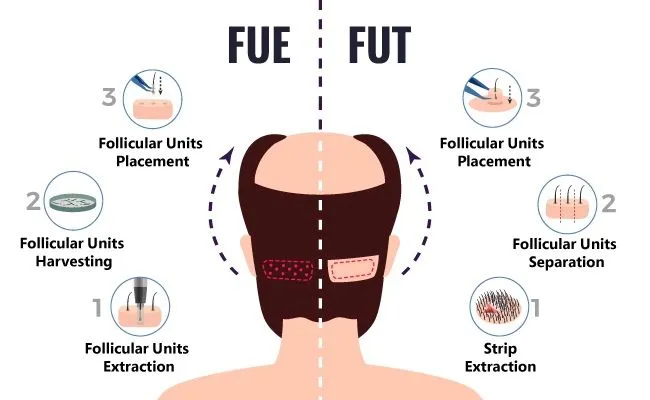
- FUE (Follicular Unit Extraction)
- FUT (Follicular Unit Transplantation)
each with its own characteristics, indications, and advantages.
Hair transplant techniques
The evolution of hair transplantation has led to the development of advanced techniques that ensure natural results, minimal trauma, and rapid recovery.
Each case requires a personalized treatment plan regarding the number of grafts, their distribution, and the technique that will be used.
The two main methods applied internationally today are:
FUE (Follicular Unit Extraction)
FUT (Follicular Unit Transplantation)
each with its own characteristics, indications, and advantages.
FUE Method
FUE is a modern, minimally invasive technique for extracting and transplanting follicular units, widely adopted internationally due to its precision, safety, and highly natural results.
In this method, follicular units are extracted one by one from the donor area — typically located at the back or sides of the scalp — using a specialized micro-tool (punch) of small diameter, usually between 0.7 and 0.9 mm.
The extraction process is performed without creating a linear scar, resulting in minimal discomfort and a very short recovery period before returning to daily activities.
During extraction, the follicular units are collected, sorted, and preserved under appropriate conditions until they are placed into the recipient area using specialized implantation tools.
These tools allow for maximum precision in the direction, angle, and depth of follicular unit placement.
Additionally, FUE offers the possibility of harvesting follicles from other body areas, such as the beard, in cases where the scalp donor area is insufficient.
Advantages of FUE method
Fast recovery and minimal discomfort
Because the method is gentler on the skin, healing is faster and patients can return to their daily activities almost immediately.
No scarring
Hair transplantation with the FUE method does not require an incision. Since follicular units are extracted one by one, no linear scar is created. The microscopic extraction points are essentially invisible and are easily covered by the surrounding hair.
Natural looking result
Implantation is performed with precision, following the natural direction of the existing hair, resulting in a seamless blend with the surrounding hair growth.
Suitable for small areas
FUE is ideal for individuals who wish to restore small or localized areas of thinning (e.g., temples, eyebrows, or beard).
Harvesting from other body areas
If there is insufficient density in the back of the scalp, hairs from other areas—such as the beard—can be used.
No stitches required
The absence of an incision means less trauma to the skin, with no stitches and no need for stitch removal after the procedure.
FUΤ hair transplant
Hair transplantation using the FUT technique is an older method, but it is still applied in selected cases due to its high efficiency in terms of the number of follicular units that can be harvested.
During the procedure, a thin strip of skin is removed from the occipital region of the scalp — an area characterized by stable and permanent hair growth. The area is then carefully closed, leaving a fine linear scar that is fully concealed by the surrounding hair. The harvested follicular units are precisely dissected by the medical team.
They are then implanted into the recipient area, following the natural direction, orientation, and density of the existing hair to ensure a uniform and natural-looking result.
Advantages of FUT method
Large number of grafts per session
FUT allows the collection of a large number of follicular units in a single procedure, making it ideal for individuals with extensive hair loss.
Consistent graft quality
The follicular units extracted through FUT are generally stronger and better protected, as they are removed along with the surrounding tissue.
Faster harvesting process
Graft harvesting takes less time compared to FUE, especially when a high number of grafts is required.
No shaving needed
Unlike FUE, the FUT method can be performed without shaving the head, making it an excellent option for individuals who prefer discretion or do not wish to alter their appearance after the procedure.
Steps to a successful hair transplant
The success of a hair transplant does not depend solely on the technique used, but also on proper preparation, personalized planning, and thorough post-operative care.
Below are the key stages that ensure a safe procedure and a natural-looking result:
1 - Consultation and evaluation
Given the aesthetic nature of the procedure, a hair transplant is considered successful when the final outcome fully satisfies the patient.
For this reason, accurate assessment, a clear understanding of the patient’s expectations, and proper guidance regarding the anticipated results are perhaps the most important factors contributing to the success of the procedure.
2 - Personalized planning
Personalized planning is a crucial stage in the success of a hair transplant. At this point, several factors are considered, including facial morphology, the extent of thinning, the quality of the donor area, and the patient’s personal aesthetic goals. Additionally, the most suitable transplantation technique—either FUE or FUT—is selected.
The choice of technique is based on the needs and characteristics of the individual case, as well as the desired outcome. The goal is to achieve a natural, long-lasting result that is fully tailored to each person’s unique requirements.
3 - Preparation for the procedure
The patient receives personalized instructions regarding scalp care and the avoidance of factors that may affect healing and microcirculation. During the consultation, the patient is thoroughly informed about every step of the procedure.
Any questions or concerns are addressed, and the exact day of the hair transplant is scheduled. At the same time, the timeline for the first washes is determined, along with the essential post-operative care guidelines for the following days.
4 - Procedure day
The procedure is performed in a fully equipped medical environment under local anesthesia, ensuring that the patient remains awake, calm, and completely free of pain. The duration typically ranges from 4 to 8 hours, depending on the number of grafts and the technique selected.
The specialized medical team proceeds with the careful extraction of follicular units from the donor area, followed by their precise implantation into the thinning areas.
5 - Post-operation care
The first few days after the hair transplant are crucial for successful healing and graft survival. The patient receives clear and detailed instructions regarding washing, avoiding friction, sun exposure, intense physical activity, and sweating.
Additionally, guidance is provided for any temporary symptoms (such as mild swelling or redness), along with instructions on how to safely care for both the donor and recipient areas. Proper post-operative care supports faster recovery and ensures the smooth integration of the implanted follicular units.
6 - Follow-up and result monitoring
Restoring hair density is not completed on the day of the procedure. A follow-up period follows, during which scheduled check-ups with the medical team take place to assess the progress of the hair implantation.
In many cases, additional treatments are recommended—such as topical minoxidil or autologous hair mesotherapy—which help strengthen the newly implanted follicles, stabilize the existing hair, and maximize the final aesthetic result.
1 - Consultation and evaluation
Given the aesthetic nature of the procedure, a hair transplant is considered successful when the final outcome fully satisfies the patient.
For this reason, accurate assessment, a clear understanding of the patient’s expectations, and proper guidance regarding the anticipated results are perhaps the most important factors contributing to the success of the procedure.
2 - Personalized planning
Personalized planning is a crucial stage in the success of a hair transplant. At this point, several factors are considered, including facial morphology, the extent of thinning, the quality of the donor area, and the patient’s personal aesthetic goals. Additionally, the most suitable transplantation technique—either FUE or FUT—is selected.
The choice of technique is based on the needs and characteristics of the individual case, as well as the desired outcome. The goal is to achieve a natural, long-lasting result that is fully tailored to each person’s unique requirements.
3 - Preparation for the procedure
The patient receives personalized instructions regarding scalp care and the avoidance of factors that may affect healing and microcirculation. During the consultation, the patient is thoroughly informed about every step of the procedure.
Any questions or concerns are addressed, and the exact day of the hair transplant is scheduled. At the same time, the timeline for the first washes is determined, along with the essential post-operative care guidelines for the following days.
4 - Procedure day
The procedure is performed in a fully equipped medical environment under local anesthesia, ensuring that the patient remains awake, calm, and completely free of pain. The duration typically ranges from 4 to 8 hours, depending on the number of grafts and the technique selected.
The specialized medical team proceeds with the careful extraction of follicular units from the donor area, followed by their precise implantation into the thinning areas.
5 - Post-operation care
The first few days after the hair transplant are crucial for successful healing and graft survival. The patient receives clear and detailed instructions regarding washing, avoiding friction, sun exposure, intense physical activity, and sweating.
Additionally, guidance is provided for any temporary symptoms (such as mild swelling or redness), along with instructions on how to safely care for both the donor and recipient areas. Proper post-operative care supports faster recovery and ensures the smooth integration of the implanted follicular units.
6 - Follow-up and result monitoring
Restoring hair density is not completed on the day of the procedure. A follow-up period follows, during which scheduled check-ups with the medical team take place to assess the progress of the hair implantation.
In many cases, additional treatments are recommended—such as topical minoxidil or autologous hair mesotherapy—which help strengthen the newly implanted follicles, stabilize the existing hair, and maximize the final aesthetic result.
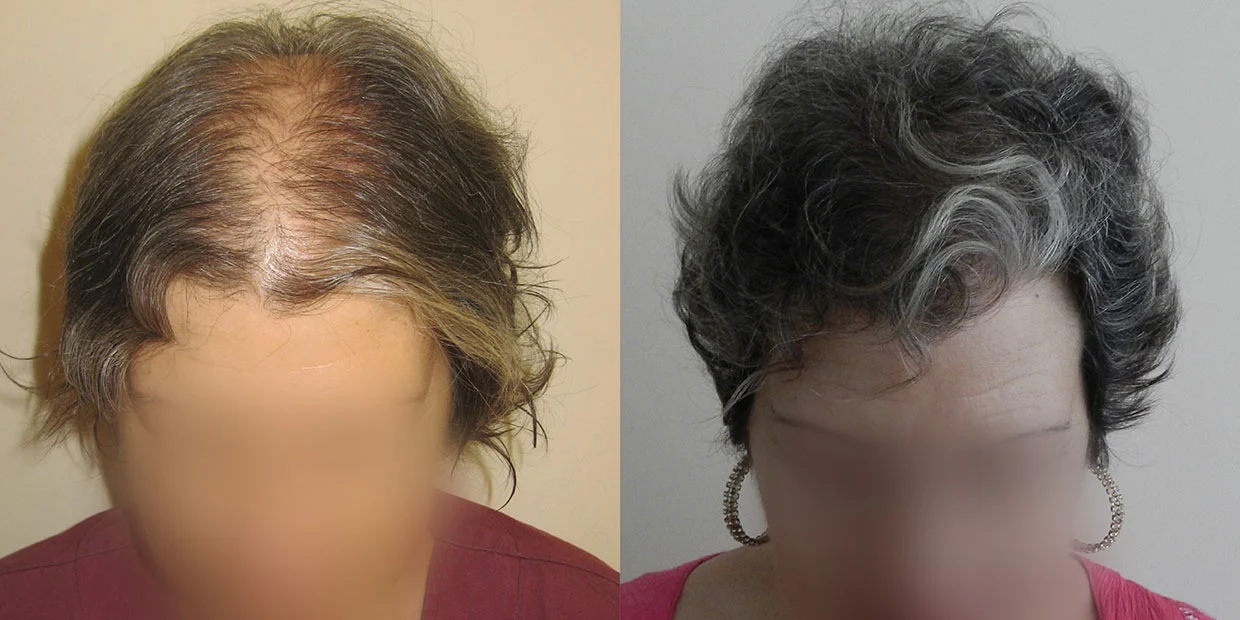
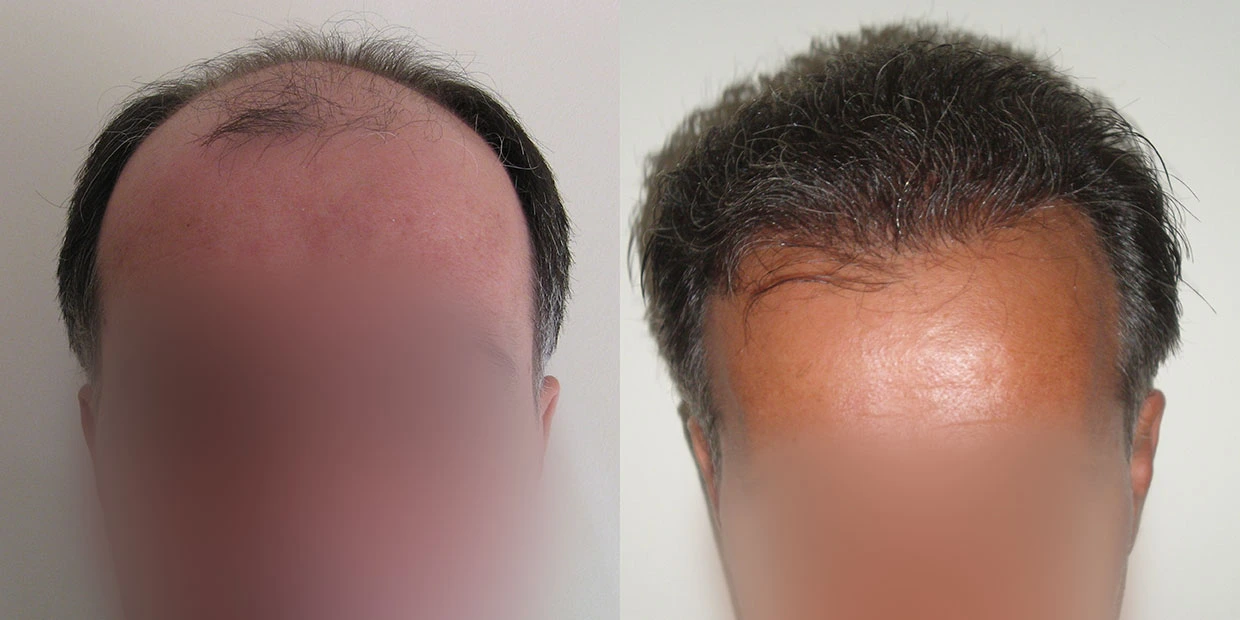
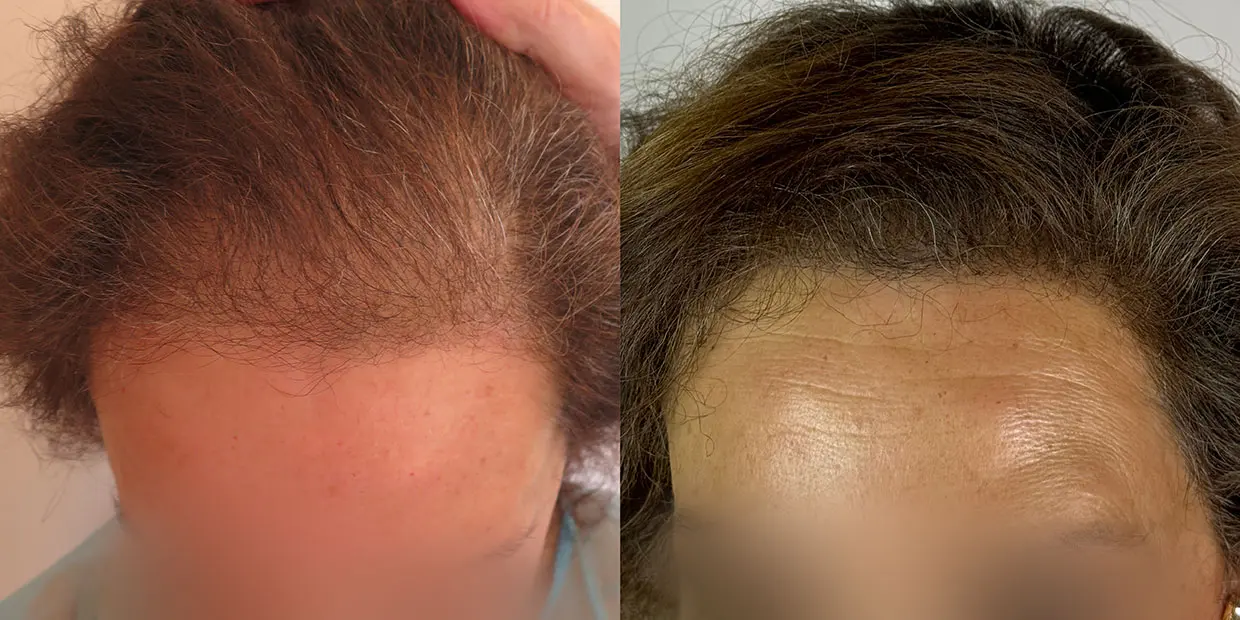
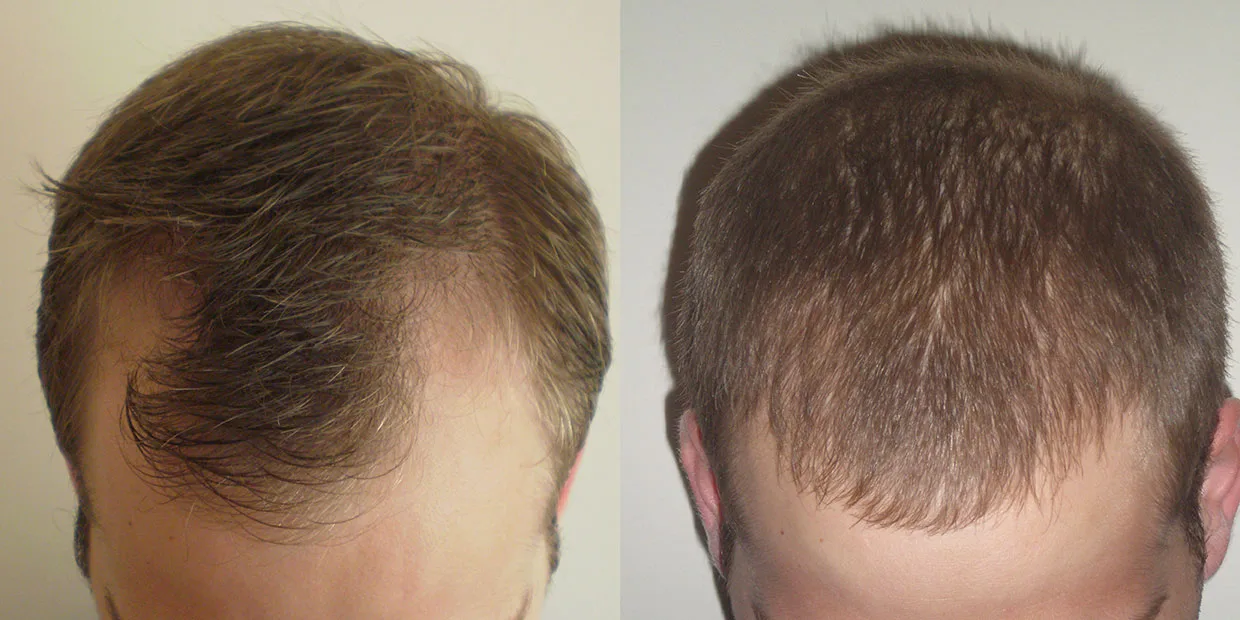
Hair transplant results & timeline
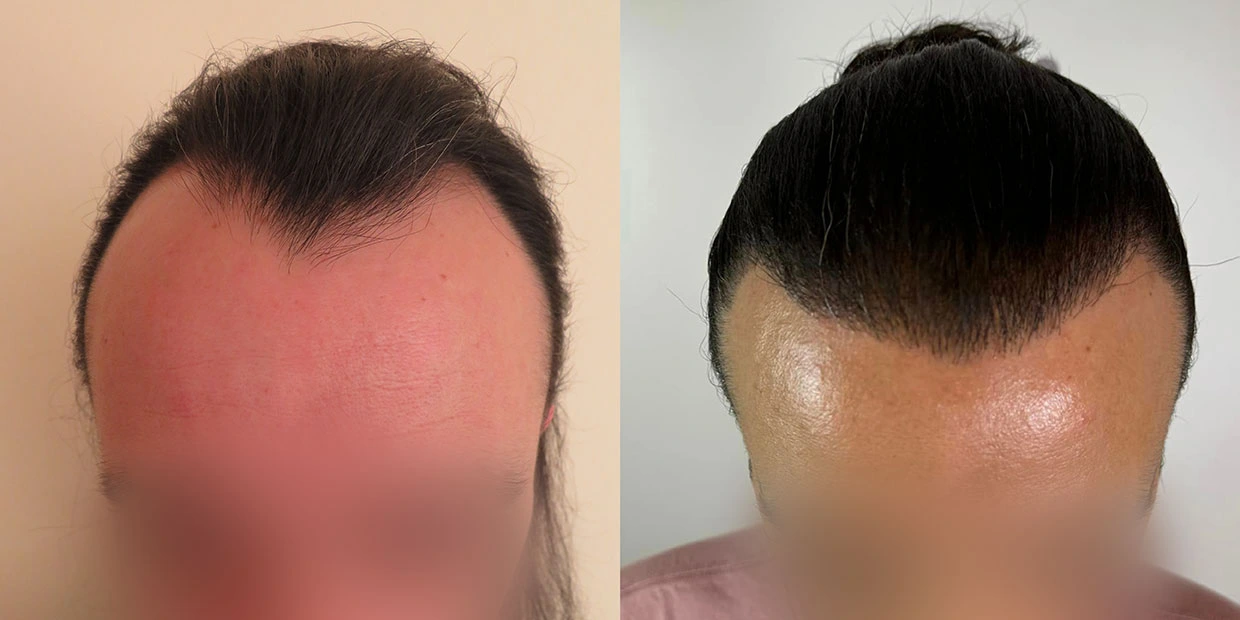
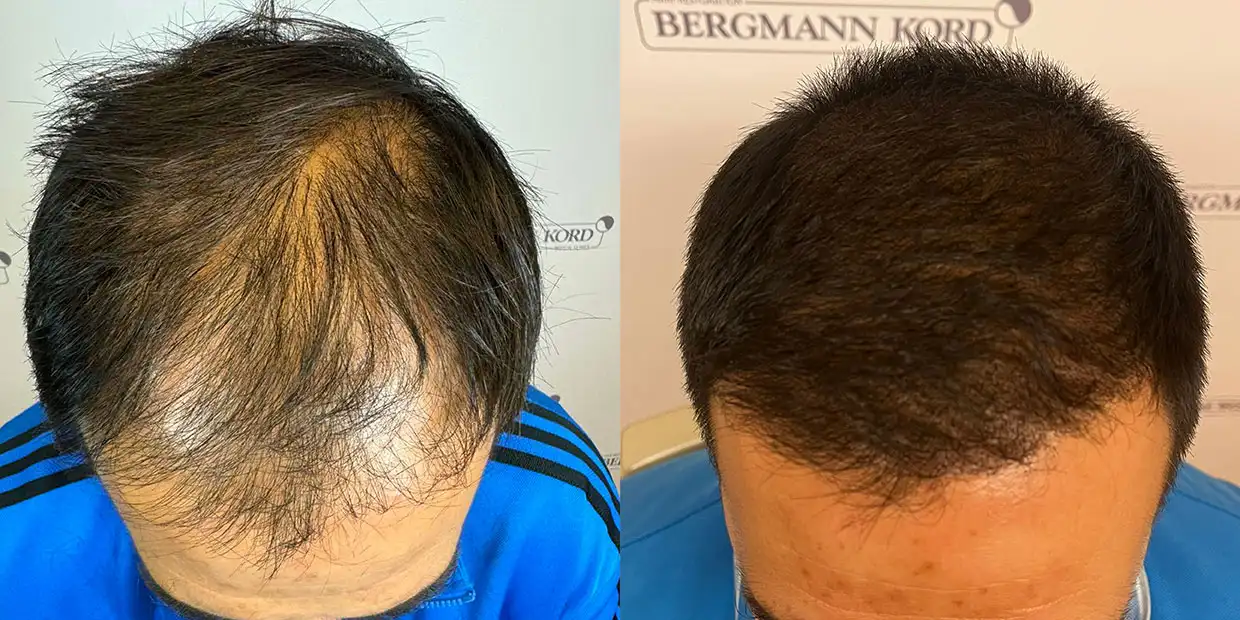
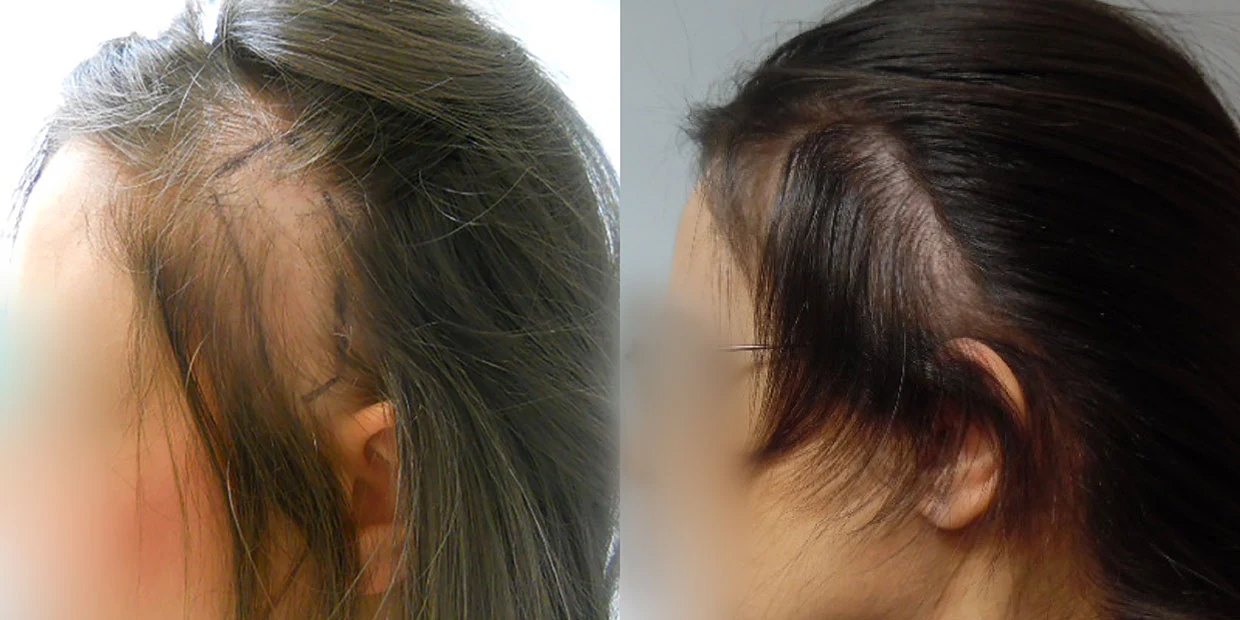
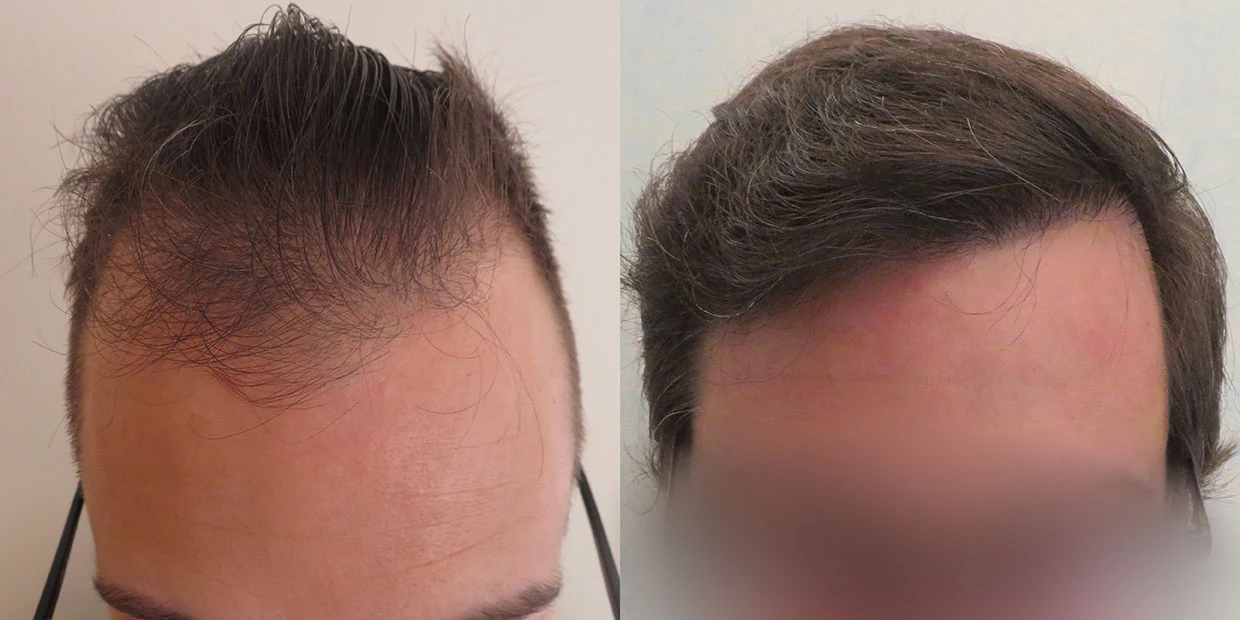
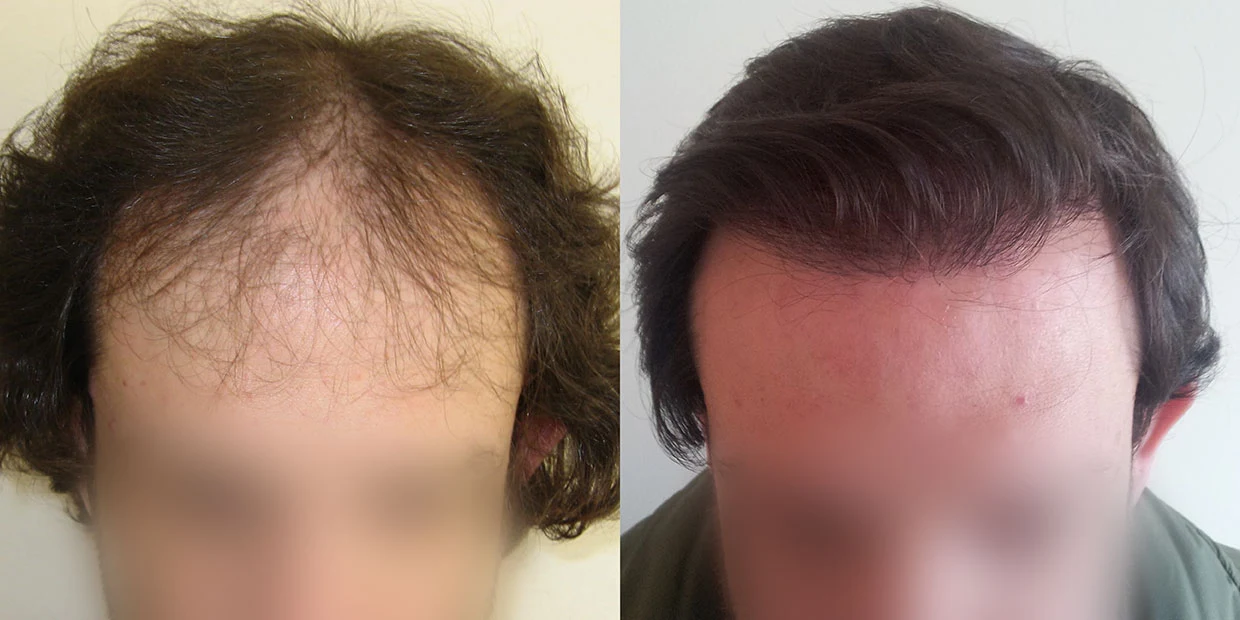
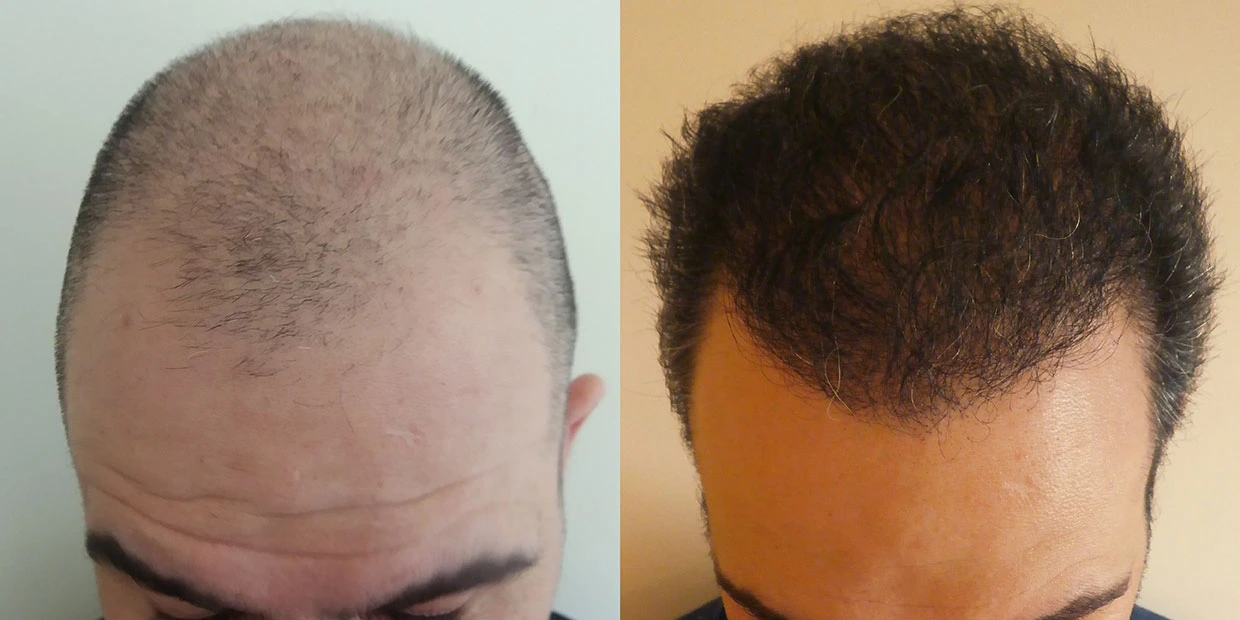
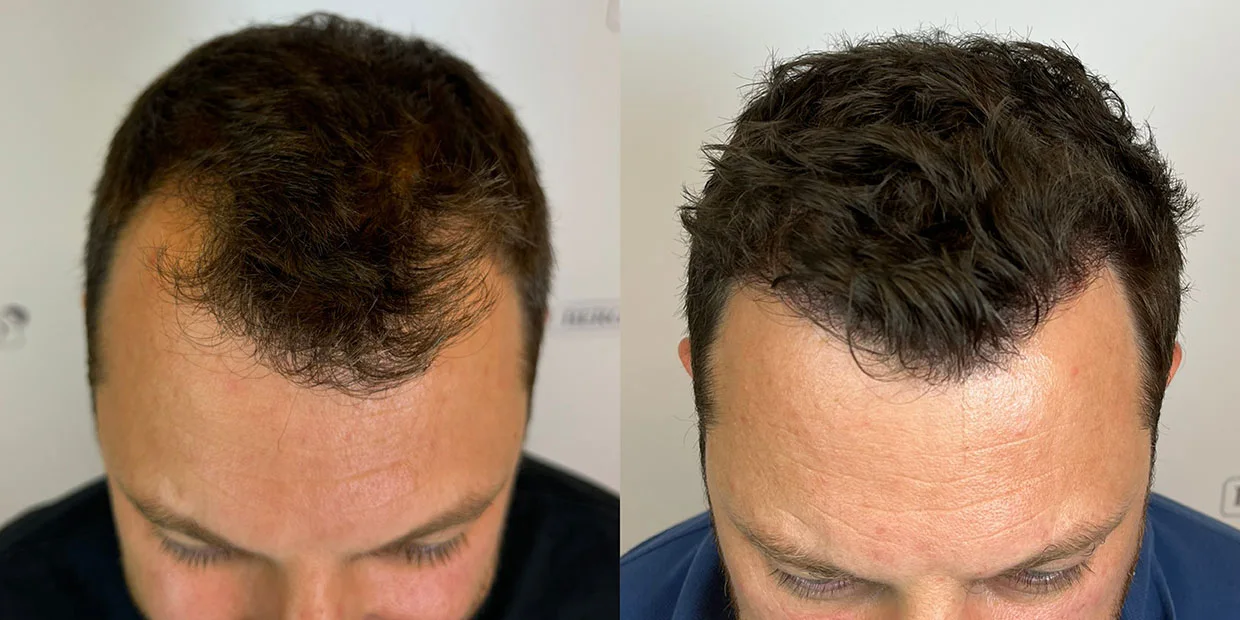
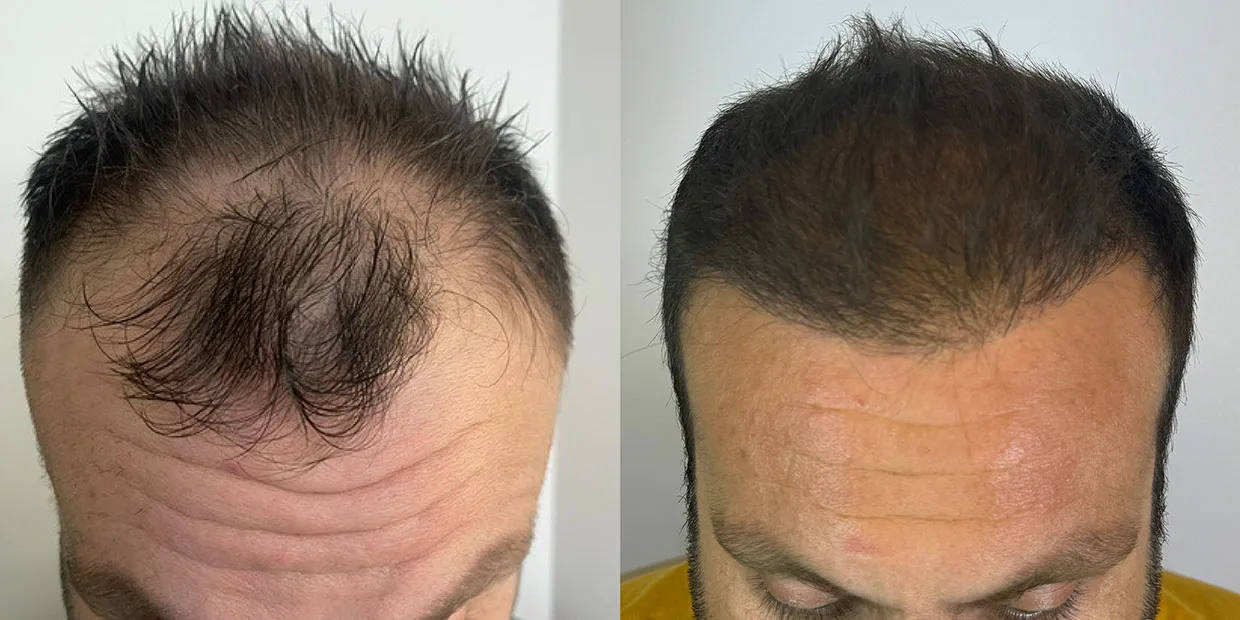
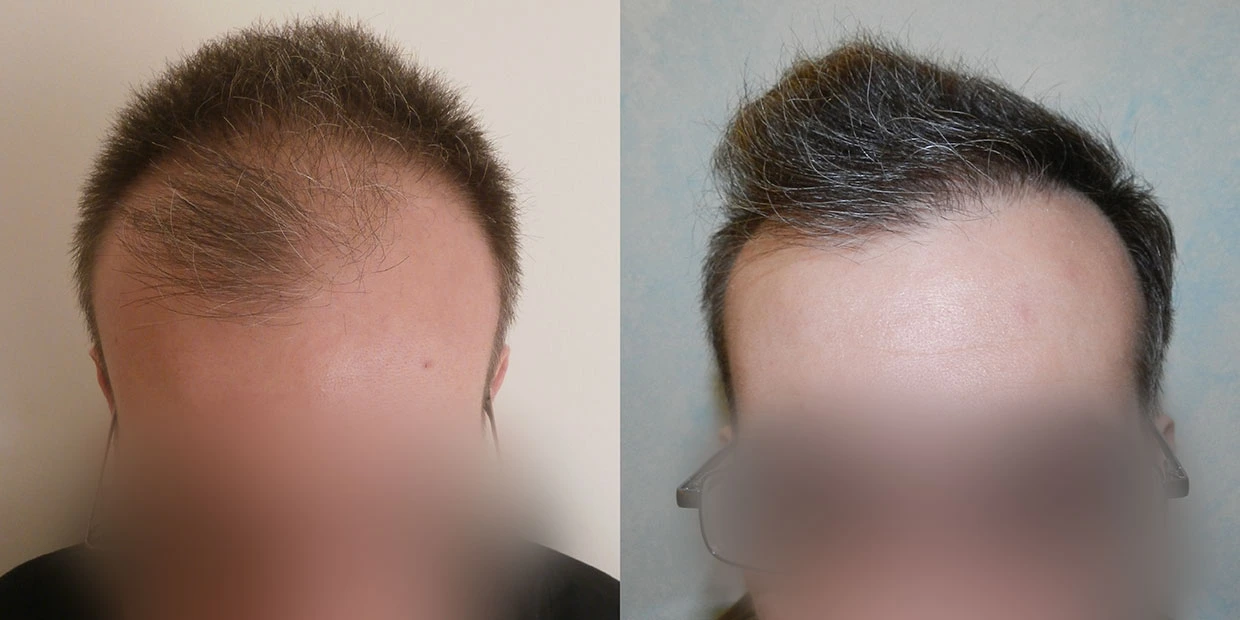
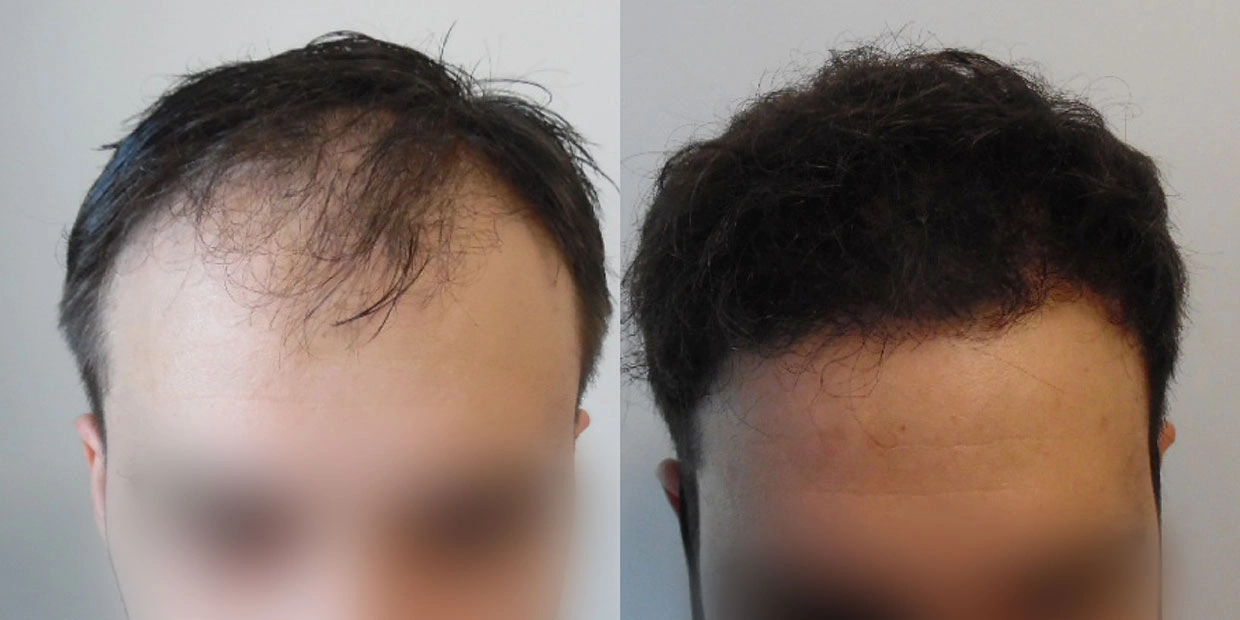
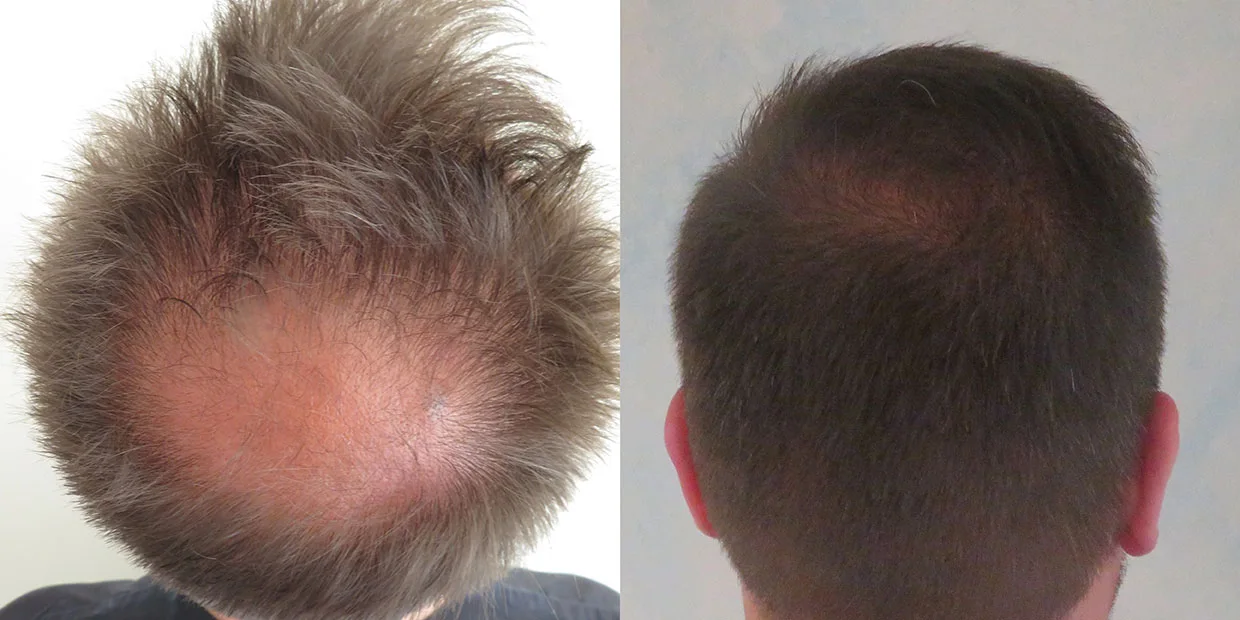
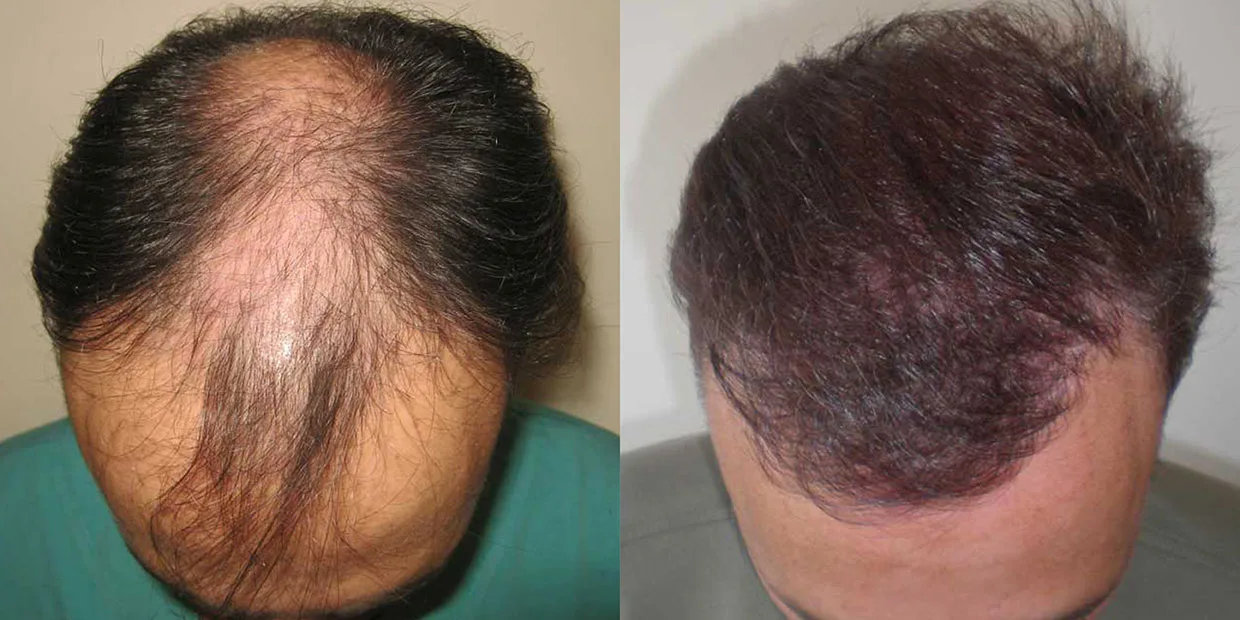
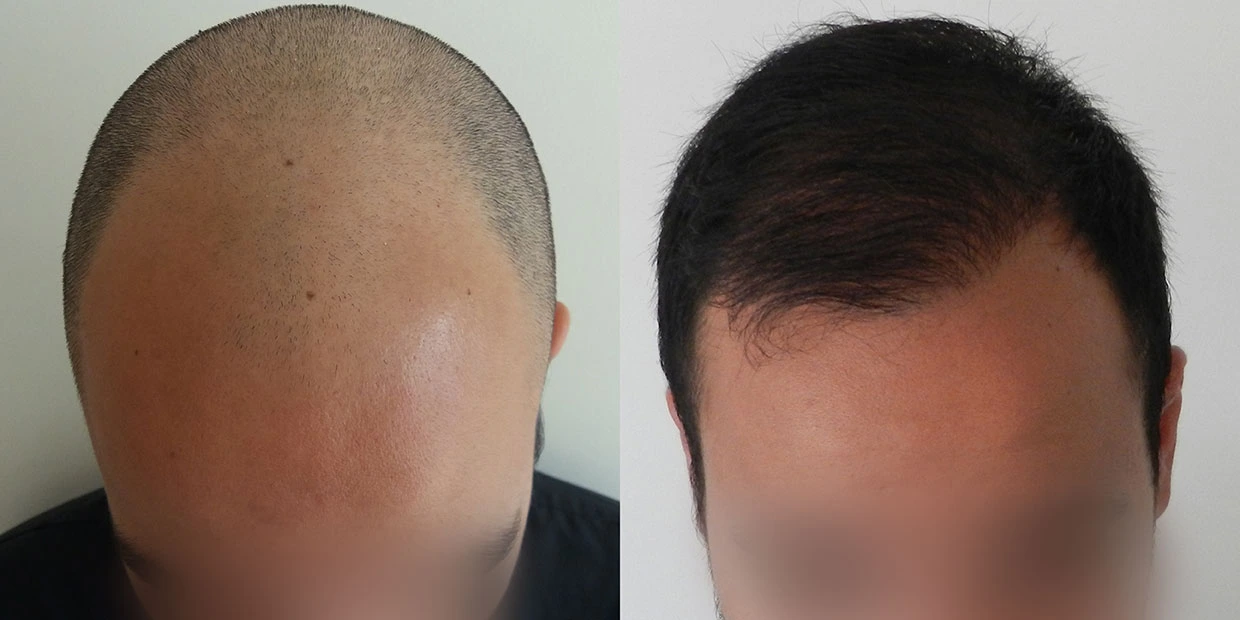
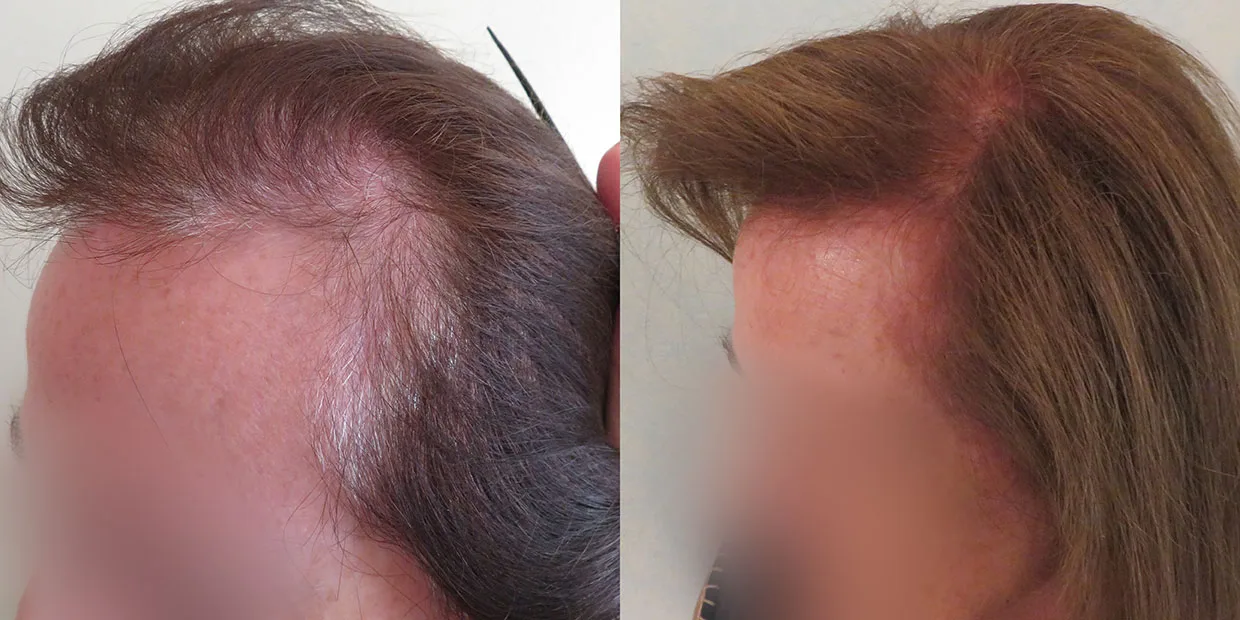
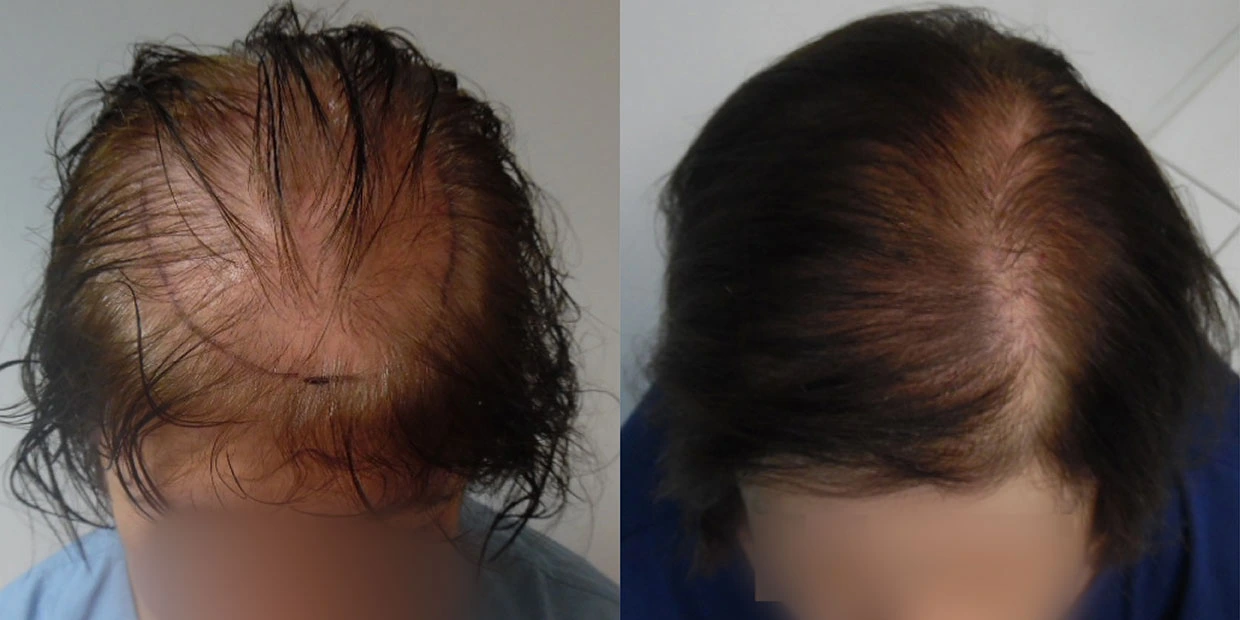
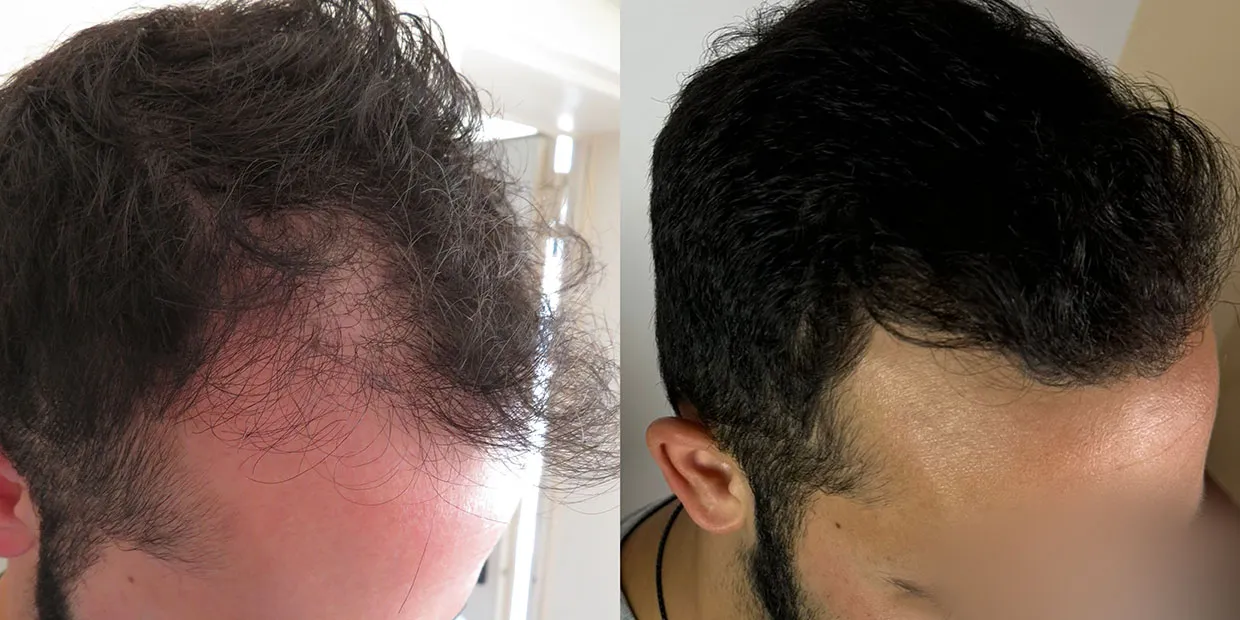
A hair transplant is a procedure that requires trust in the medical team and patience until the final result is fully achieved. The growth timeline of the transplanted follicles is generally as follows:
0–2 months
Telogen (resting) phase:
The transplanted follicles enter a temporary resting phase. Shedding of the hair shaft and “shock loss” may occur—this is completely normal and temporary.
3–4 months
Beginning of the anagen phase:
New hair growth gradually becomes visible. The hairs appear fine and lighter in color at first, but progressively become stronger.
5–6 months
Growth phase:
New hairs thicken and develop a more natural texture. The appearance shows noticeable improvement.
7–8 months
Progressive density increase:
Significant increase in density and coverage of the area. The result is approaching its final form.
9–12 months
Final result:
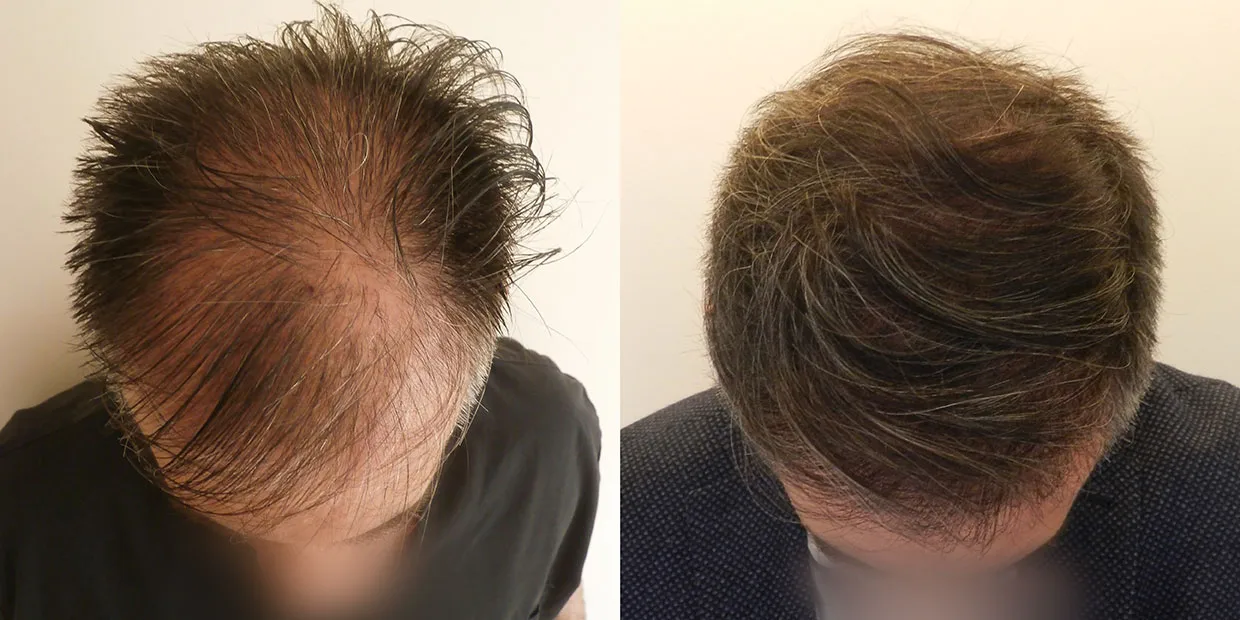
The hairs reach their full diameter and natural color. The outcome is considered fully stabilized, influenced by factors such as the technique used, the quality of the donor area, genetics, and proper post-operative care.
Hair transplantation in women
Hair loss in women is a sensitive and often emotionally challenging issue, affecting not only appearance but also psychological well-being.
Unlike men, thinning in women is usually diffuse across the scalp, which makes restoration more demanding.
Hair transplantation can be an excellent option for many women, provided certain key criteria are met. It is ideal in cases of stable thinning, scarring, or when there is recession of the hairline.
At the same time, it is essential to assess whether the donor area has sufficient density to allow the transfer of an adequate number of follicular units to the recipient area.
For this reason, the most important step is accurate diagnosis and personalized evaluation by an experienced specialist, ensuring that the most appropriate technique is selected for each patient.
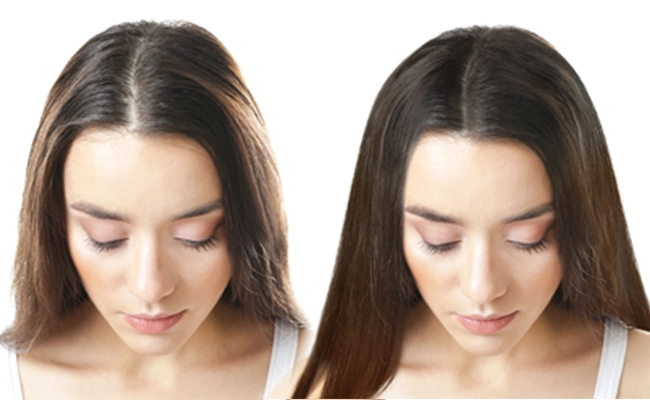
Hair transplantation in women
Hair loss in women is a sensitive and often emotionally challenging issue, affecting not only appearance but also psychological well-being.
Unlike men, thinning in women is usually diffuse across the scalp, which makes restoration more demanding.
Hair transplantation can be an excellent option for many women, provided certain key criteria are met. It is ideal in cases of stable thinning, scarring, or when there is recession of the hairline.
At the same time, it is essential to assess whether the donor area has sufficient density to allow the transfer of an adequate number of follicular units to the recipient area.
For this reason, the most important step is accurate diagnosis and personalized evaluation by an experienced specialist, ensuring that the most appropriate technique is selected for each patient.
Combination with other treatments
Hair transplantation is an effective and permanent solution for restoring hair in areas affected by thinning or loss.
However, to enhance the results and ensure their long-term stability, it is often recommended to combine the transplant with complementary treatments that strengthen and preserve the existing hair.
Autologous PRP mesotherapy can be applied before or after the transplant, utilizing growth factors from the patient’s own blood to improve microcirculation, accelerate healing, and stimulate both newly implanted and existing follicles.
Additionally, treatments such as Minoxidil or Finasteride may help combat ongoing hair loss. In certain cases, low-level laser therapy may also be applied.
The combination of treatments is personalized based on the patient’s needs, the type and extent of hair loss, and the characteristics of the donor area.
This holistic approach enhances the overall condition of the scalp and improves the long-term stability and quality of the final result.
Hair restoration in other areas
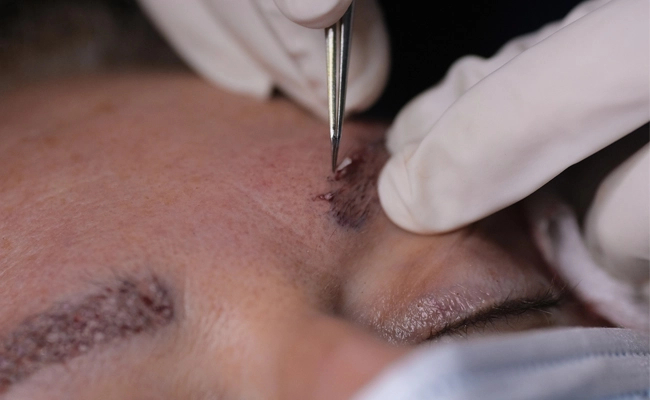
Hair transplantation techniques can be successfully applied not only to the scalp, but also to other areas of the body such as the eyebrows, beard, mustache, chest, or even scarred regions.
The procedure follows the same principles as scalp transplantation:
- Harvesting follicular units from the donor area (usually the back of the head)
- Implanting them into the recipient area with precision in angle, direction, and density
These cases require specialized planning, as each area has its own aesthetic and practical demands. When performed correctly, the procedure delivers a natural and permanent result, restoring both appearance and confidence.
Hair restoration in other areas
Hair transplantation techniques can be successfully applied not only to the scalp, but also to other areas of the body such as the eyebrows, beard, mustache, chest, or even scarred regions.
The procedure follows the same principles as scalp transplantation:
- Harvesting follicular units from the donor area (usually the back of the head)
- Implanting them into the recipient area with precision in angle, direction, and density
These cases require specialized planning, as each area has its own aesthetic and practical demands. When performed correctly, the procedure delivers a natural and permanent result, restoring both appearance and confidence.
The experience of Bergmann Kord in hair transplant
70.000+ hair transplants
Since the very first hair implantation performed by its medical team, Bergmann Kord has carried out more than 70,000 successful hair transplant procedures.
The nature of the FUT and FUE techniques requires correct application—both in the initial planning and in the execution.
For this reason, choosing the right hair clinic should be based not only on its results, but also on its overall presence and credibility in the field.
45+ years of expertise
Here, hair implantation is not treated as a simple professional service, but as a medical procedure carried out with responsibility. Since 1979, the clinic has been offering the most suitable, personalized solutions and has played a significant role in the development and refinement of modern hair transplantation techniques.
FAQs
Contact Form