Natural ways to treat Hair Loss
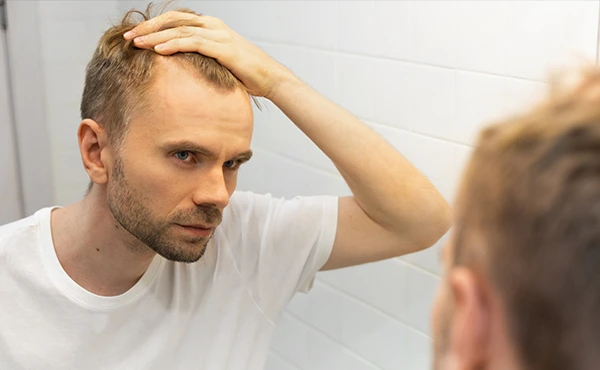
How can you naturally strengthen the health and density of your hair? Hair loss is one of the most common aesthetic concerns in both men and women and is linked to factors such as stress, poor diet, hormonal changes, and pollution.
Before turning to more aggressive solutions, it is worth giving space to approaches that can help naturally. Small changes in diet, the way we care for the scalp, and simple daily habits can often make a bigger difference than we imagine. In this article, we will explore practical, natural ways to support hair health in a calm and effective manner.
Nutrition as the foundation for strong hair
Hair quality starts from the inside out. Keratin, the main structural component of hair, requires adequate intake of protein and essential nutrients. Particularly beneficial foods include lean proteins (eggs, fish, legumes), leafy green vegetables, nuts and seeds, olive oil, and avocado. Sudden weight loss or strict dieting can disrupt the hair growth cycle and lead to temporary hair shedding.

Vitamins and trace elements that support hair health
When the body is deficient in essential nutrients, hair is often among the first to be affected. Adequate intake of vitamins and minerals plays an important role in hair strength and density.
Iron and zinc support proper hair growth, while vitamin D and B-complex vitamins help maintain the normal hair growth cycle. Vitamins C and E provide protective benefits, contributing to overall scalp health.
Importance of diagnosis
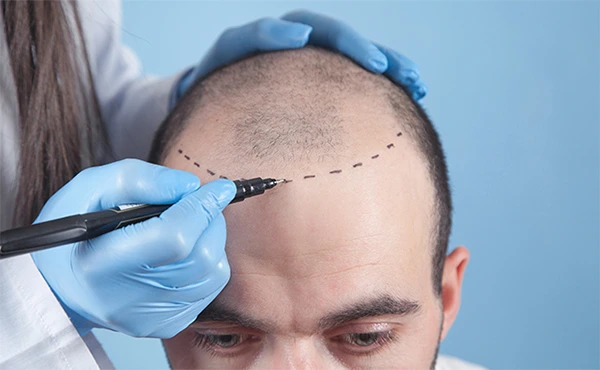
Accurate diagnosis is achieved through clinical examination, trichoscopy, and medical history analysis. The degree of thinning, the stage of hair loss, and suitability for medical or surgical treatment are determined. Only through specialized evaluation can the appropriate strategy for restoring crown thinning be selected.
Daily hair care
Book a free consultation appointment
Hair health requires personalized diagnosis and treatment. Natural practices can offer valuable support, but understanding the underlying cause of hair loss is the first step toward meaningful results.
For those seeking a more detailed assessment and guidance tailored to their individual needs, a personal consultation with a specialized advisor can provide clear answers and help plan the next steps effectively.
Are you looking for a solution to hair loss?
Proper information on effective hair loss treatment is the first step before any therapy.
Contact our clinics for a personalized diagnosis.