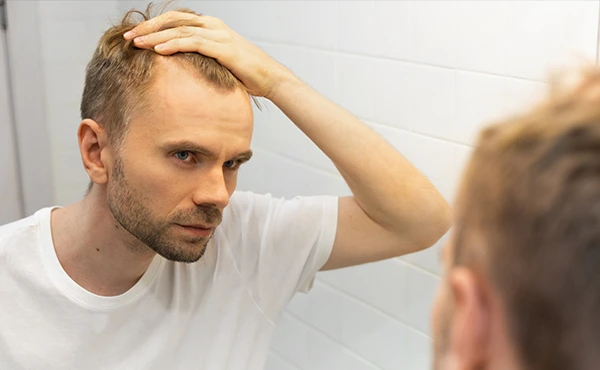
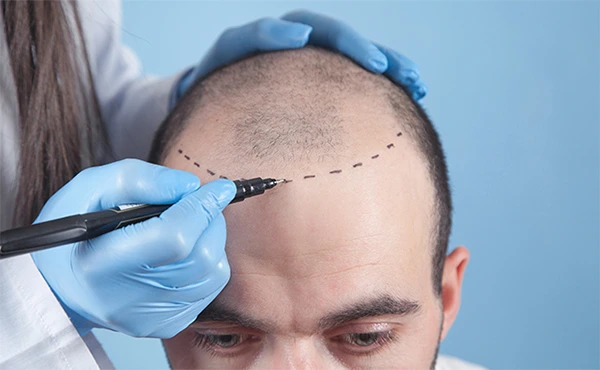
Seasonal hair loss: Why does hair shed more in spring and autumn?
Seasonal hair loss, also known as seasonal shedding, is a common and, in most cases, completely natural phenomenon that does not indicate permanent thinning. As many people notice, during transitional periods of the year—especially in spring and autumn—hair may appear to “shed more.”
The biological mechanism behind seasonal hair loss is that hair goes through phases of growth, rest, and shedding. During certain seasons, a larger number of hairs may simultaneously enter the resting phase (telogen phase) and subsequently shed, creating the impression of increased hair loss.
Seasonal hair loss is usually observed when environmental conditions change, such as temperature, humidity, and daylight hours—factors that influence the hair growth cycle.
What is seasonal hair loss?
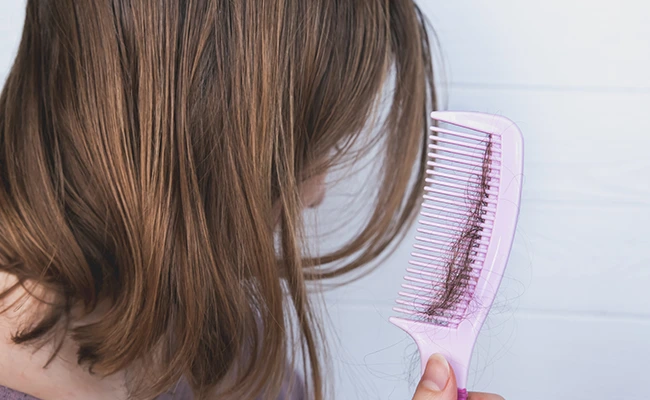
During these seasons, people may notice more hair on the brush, in the shower, or on the pillow. This increase in hair shedding does not necessarily indicate an underlying pathological cause; it is usually a temporary phenomenon that resolves on its own after a few weeks to a few months.
In reality, this phase simply represents the stage in which hairs that had simultaneously entered the resting phase complete their cycle and shed, before new hair growth begins in the same follicles.
How seasonal hair loss differs from other type of hair loss
Although seasonal hair loss is a common phenomenon, it is important to distinguish it from other forms of hair loss. It is usually temporary and not a cause for concern, unlike chronic conditions such as androgenetic alopecia or other pathological forms, where hair loss is not reversible.
When there is uncertainty about whether hair loss is seasonal or something more serious, consulting a specialist can provide clear answers and help guide the appropriate next steps.
Causes of seasonal hair loss
The causes may vary from person to person; however, certain factors appear to play a more decisive role. Hormonal changes associated with variations in daylight duration, temperature, and overall environmental conditions can affect the hair growth cycle.
At the same time, diet and nutrient intake are important, as during periods of adjustment the body prioritizes covering essential biological needs first, and only later the needs of hair and skin.
Another significant factor is stress. Seasonal changes—both physical and psychological—can place additional strain on the body and contribute to increased hair shedding.
Finally, increased sun exposure, especially during the summer months, can cause damage to the hair shaft, making it more vulnerable to shedding when it enters the resting phase.
Practical ways to reduce seasonal hair loss
Although seasonal hair loss is usually temporary, there are simple steps that can help reduce its intensity and support overall hair health. A balanced diet plays a key role, especially during transitional periods of the year.
Adequate intake of protein, iron, and vitamins—through foods such as leafy green vegetables, nuts, and high-quality protein sources—helps the body properly support hair follicles. Gentle hair care is equally important.
Avoiding excessive heat, harsh chemical treatments, and very frequent washing reduces damage and breakage. Gentle brushing and the use of mild, sulfate-free shampoos help maintain a healthy scalp.
Stress directly affects the hair growth cycle. Activities such as light exercise, yoga, or meditation can help the body stay balanced, thereby reducing the likelihood of increased hair shedding.
Finally, sun protection is important not only for the skin but also for the hair. During prolonged sun exposure, wearing a hat or using a leave-in product with UV filters can protect the hair shaft from damage, making it less prone to shedding.
What’s the next step
Are you looking for a solution to hair loss?
Proper information on effective hair loss treatment is the first step before any therapy.
Contact our clinics for a personalized diagnosis.